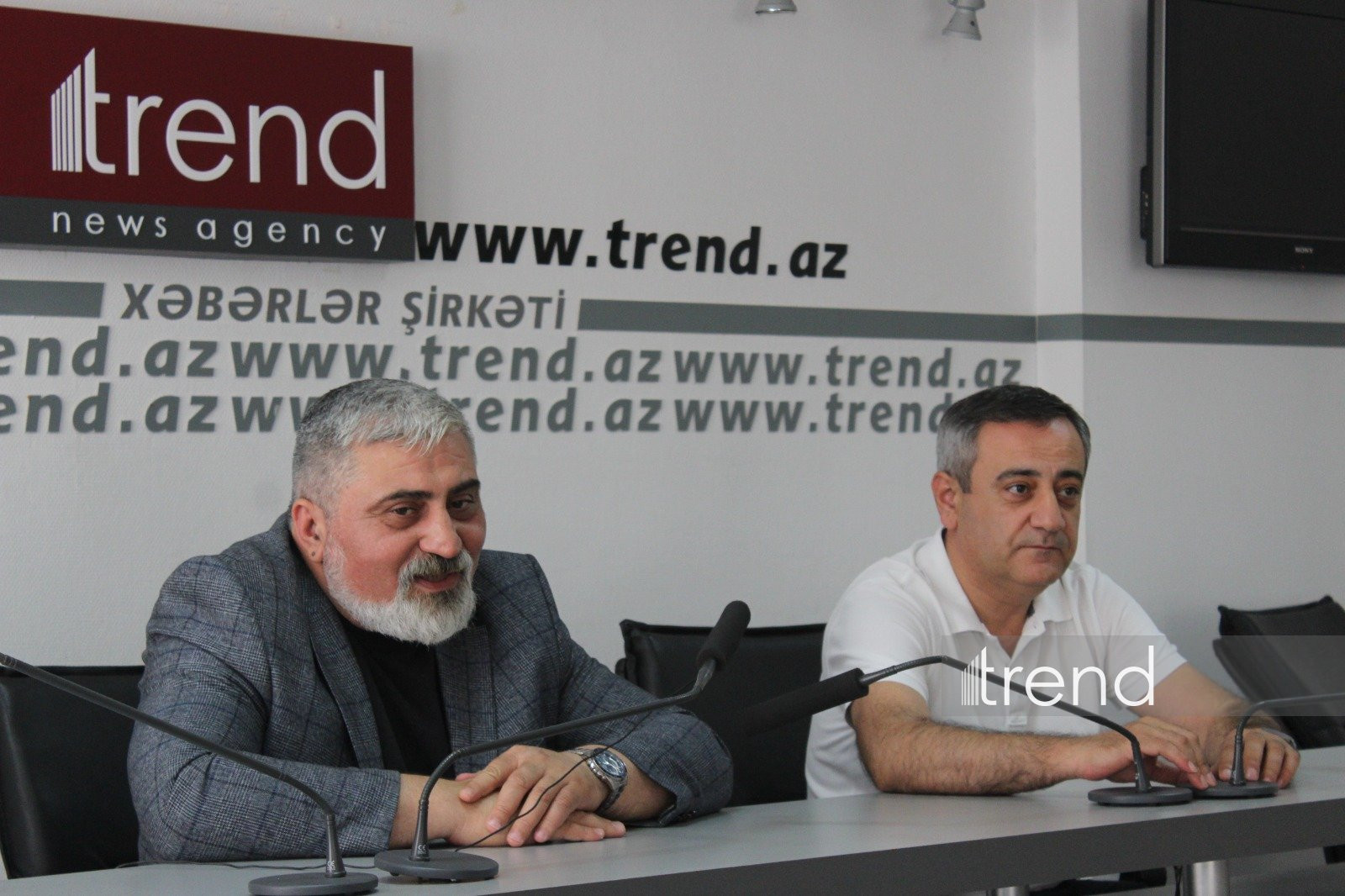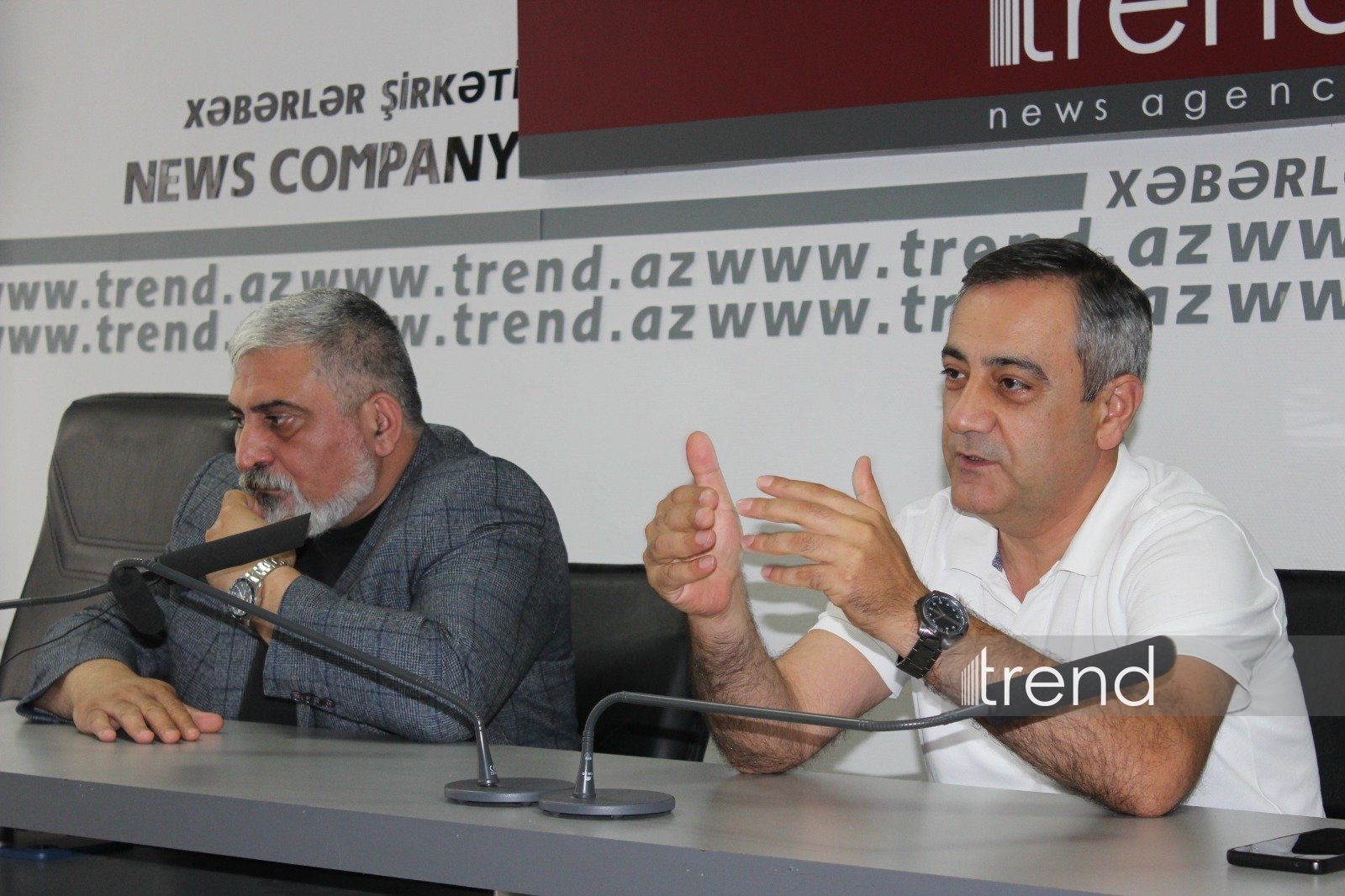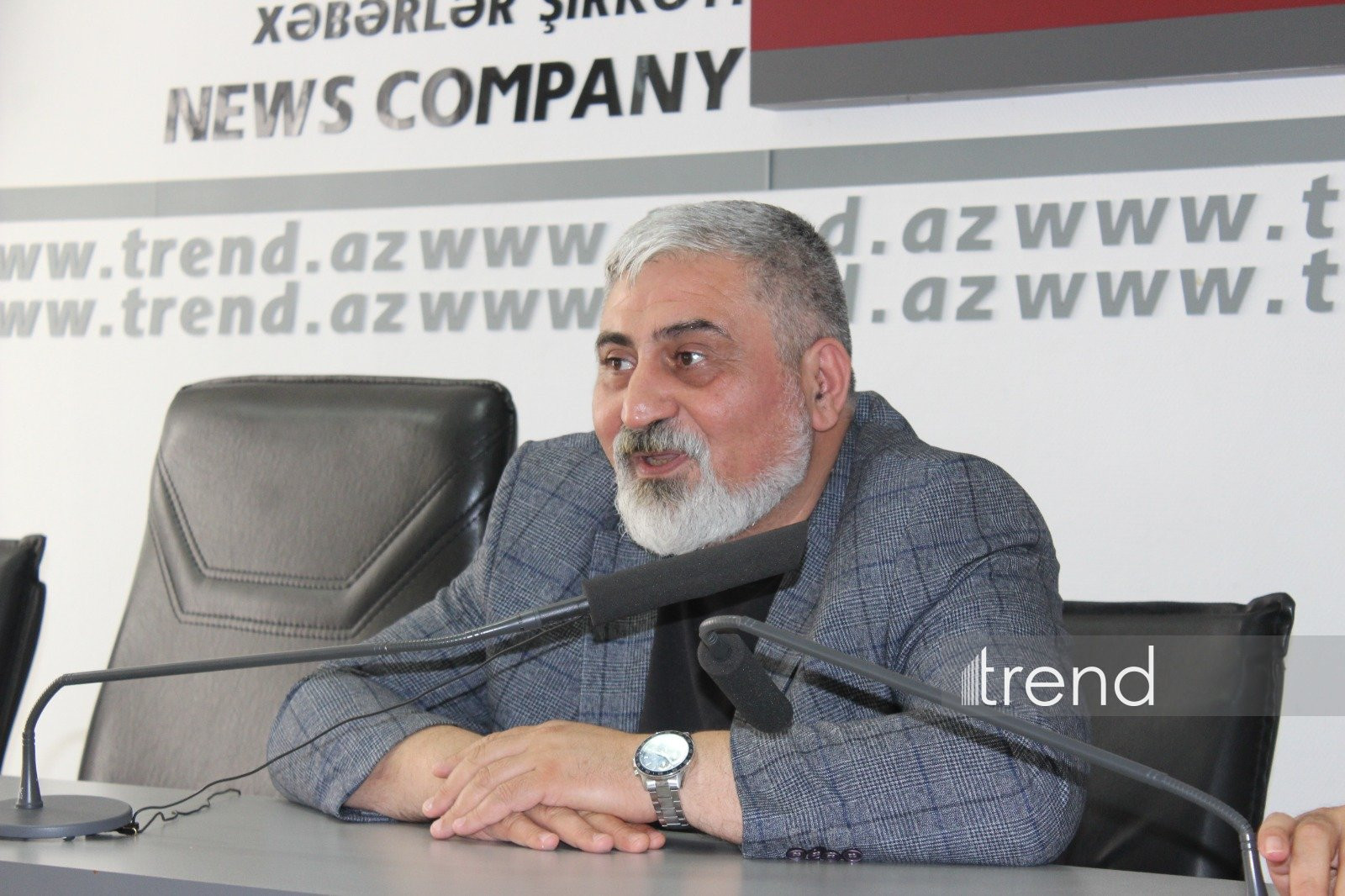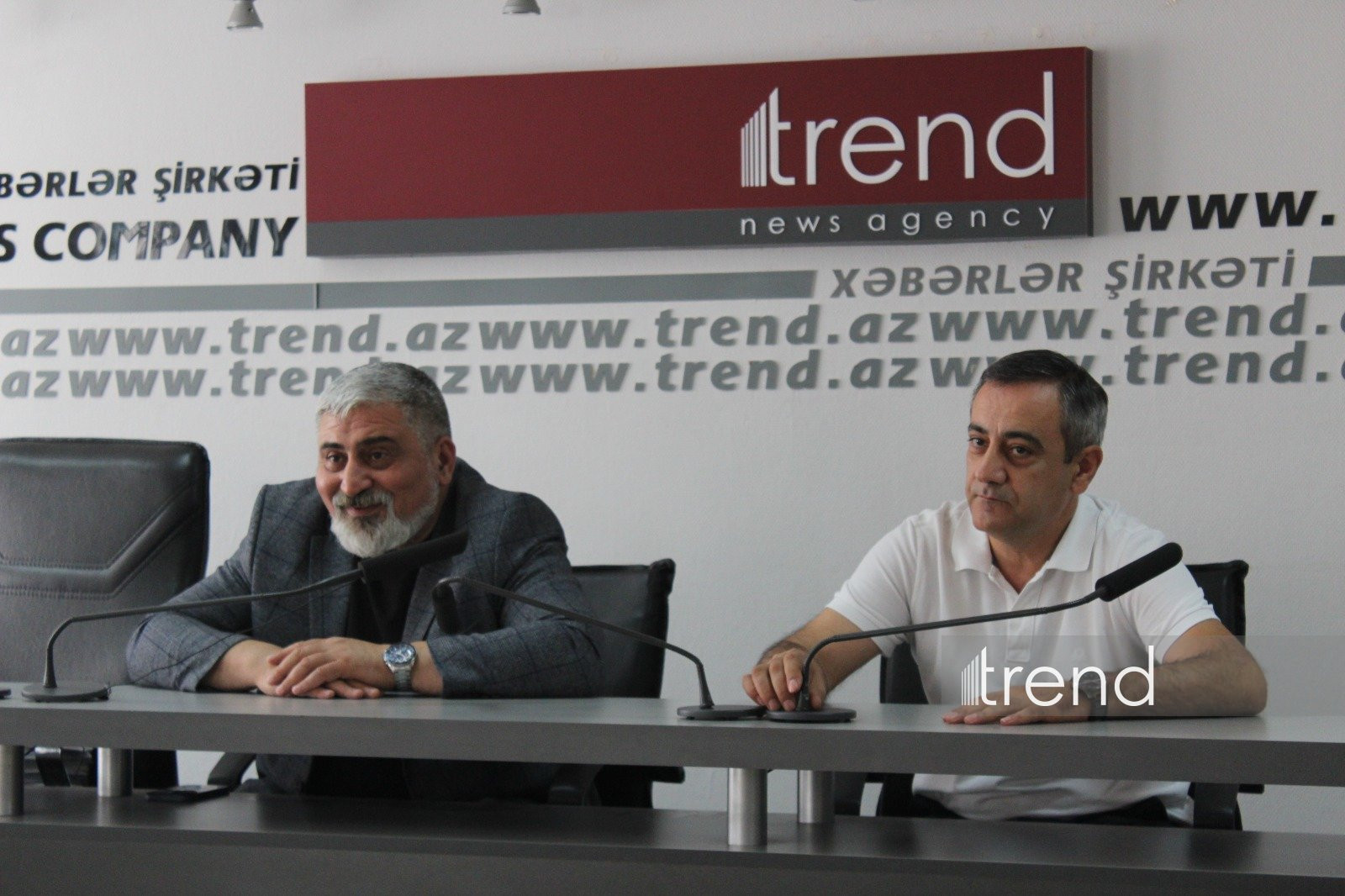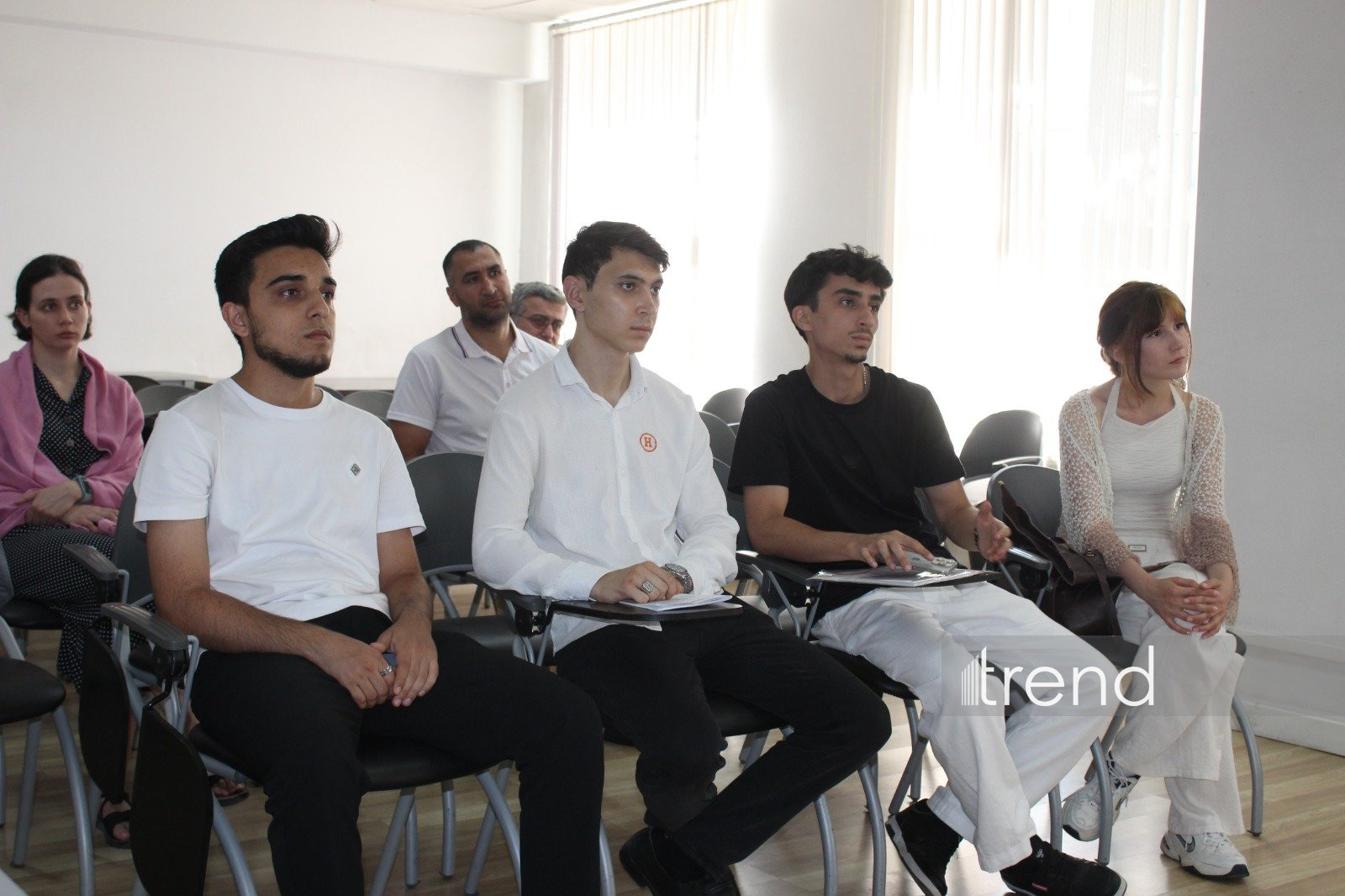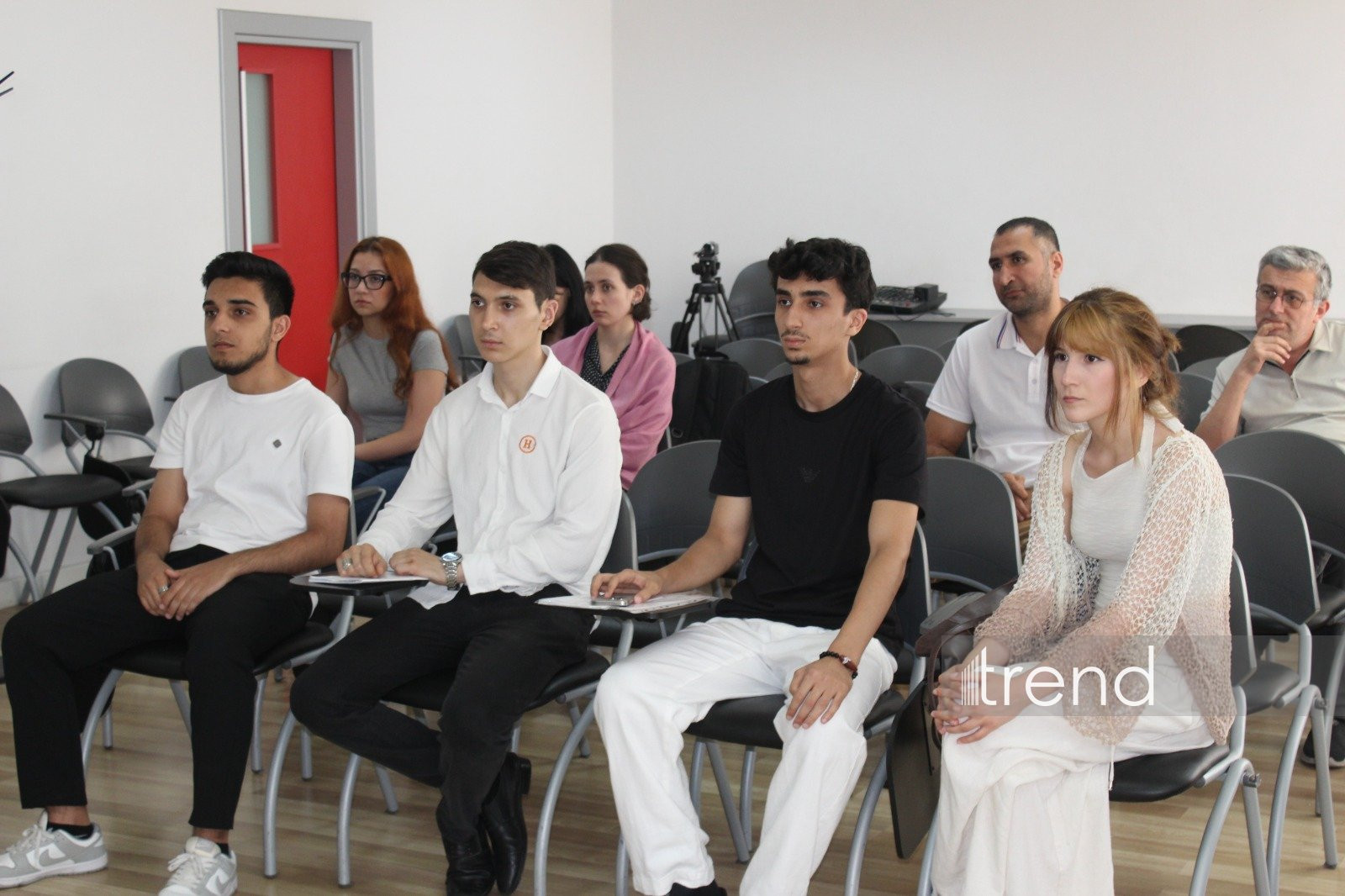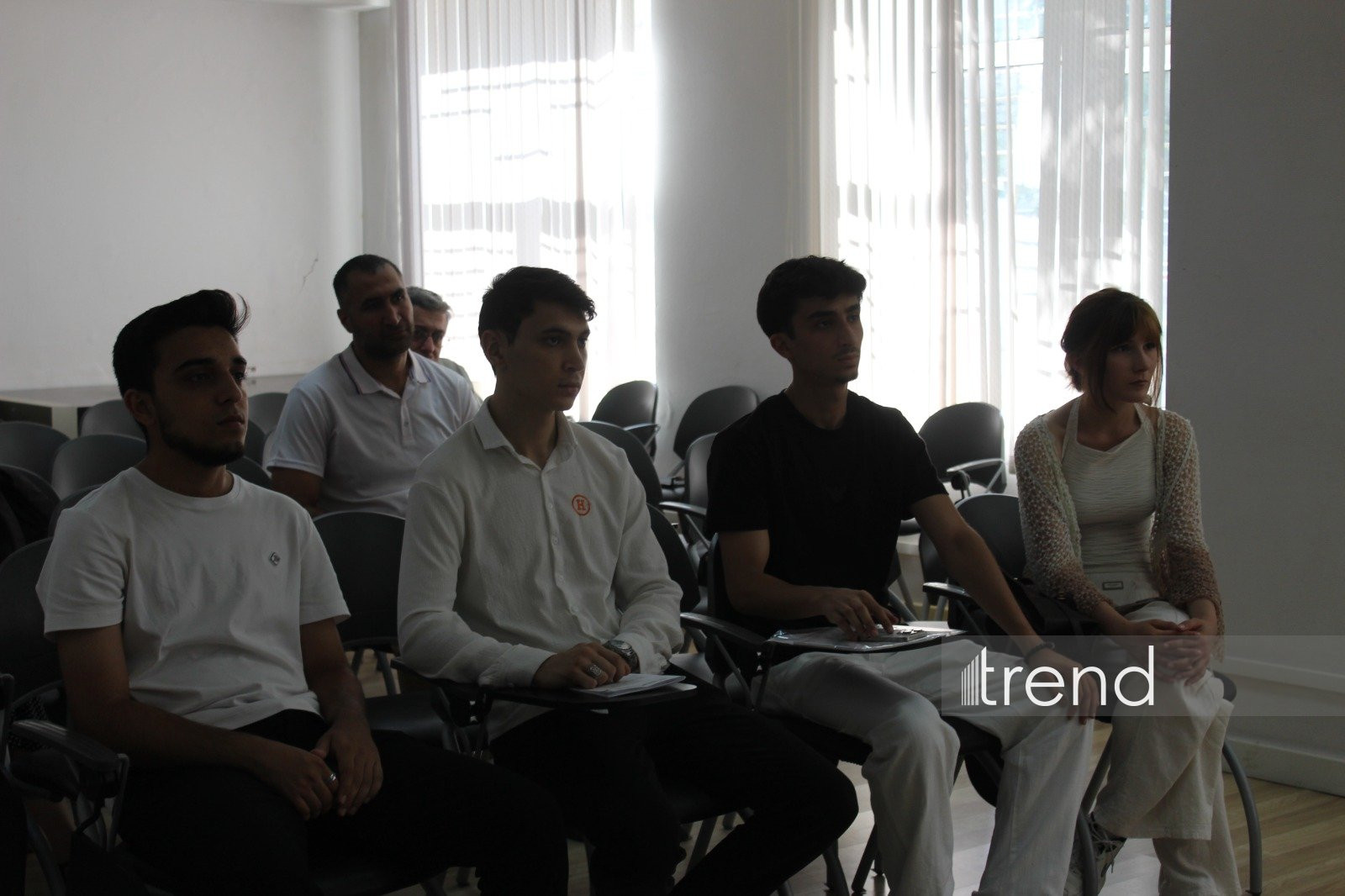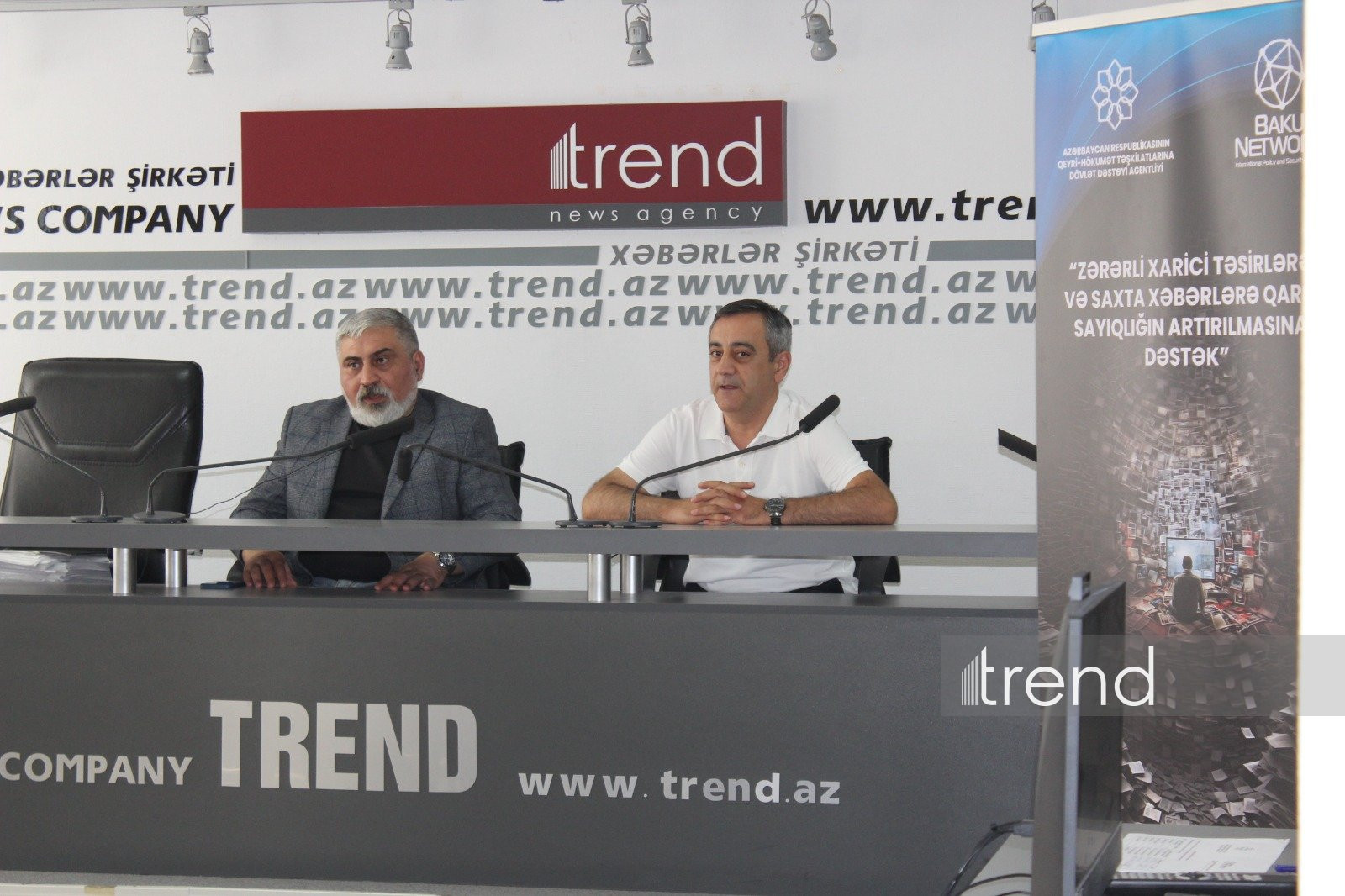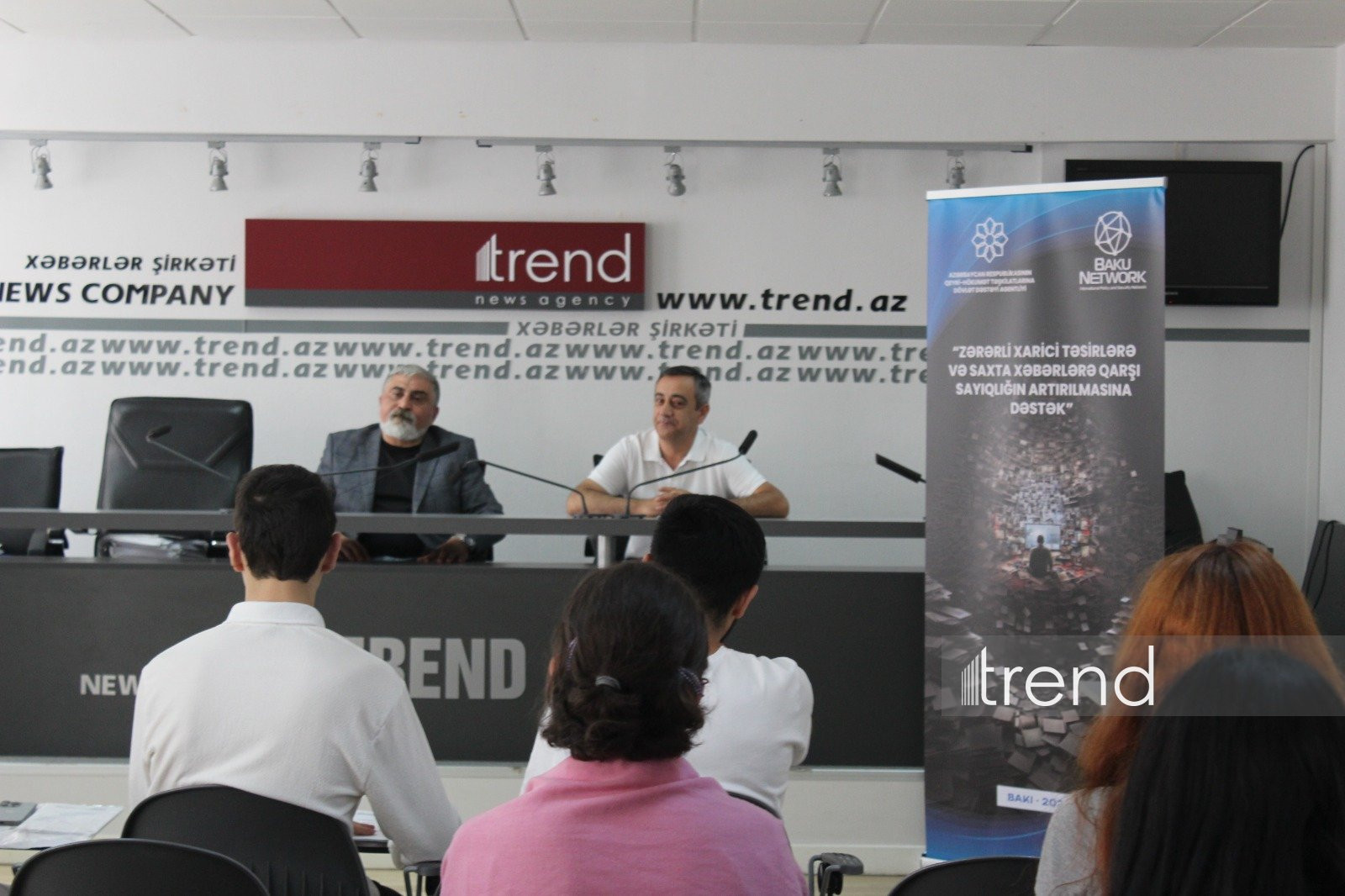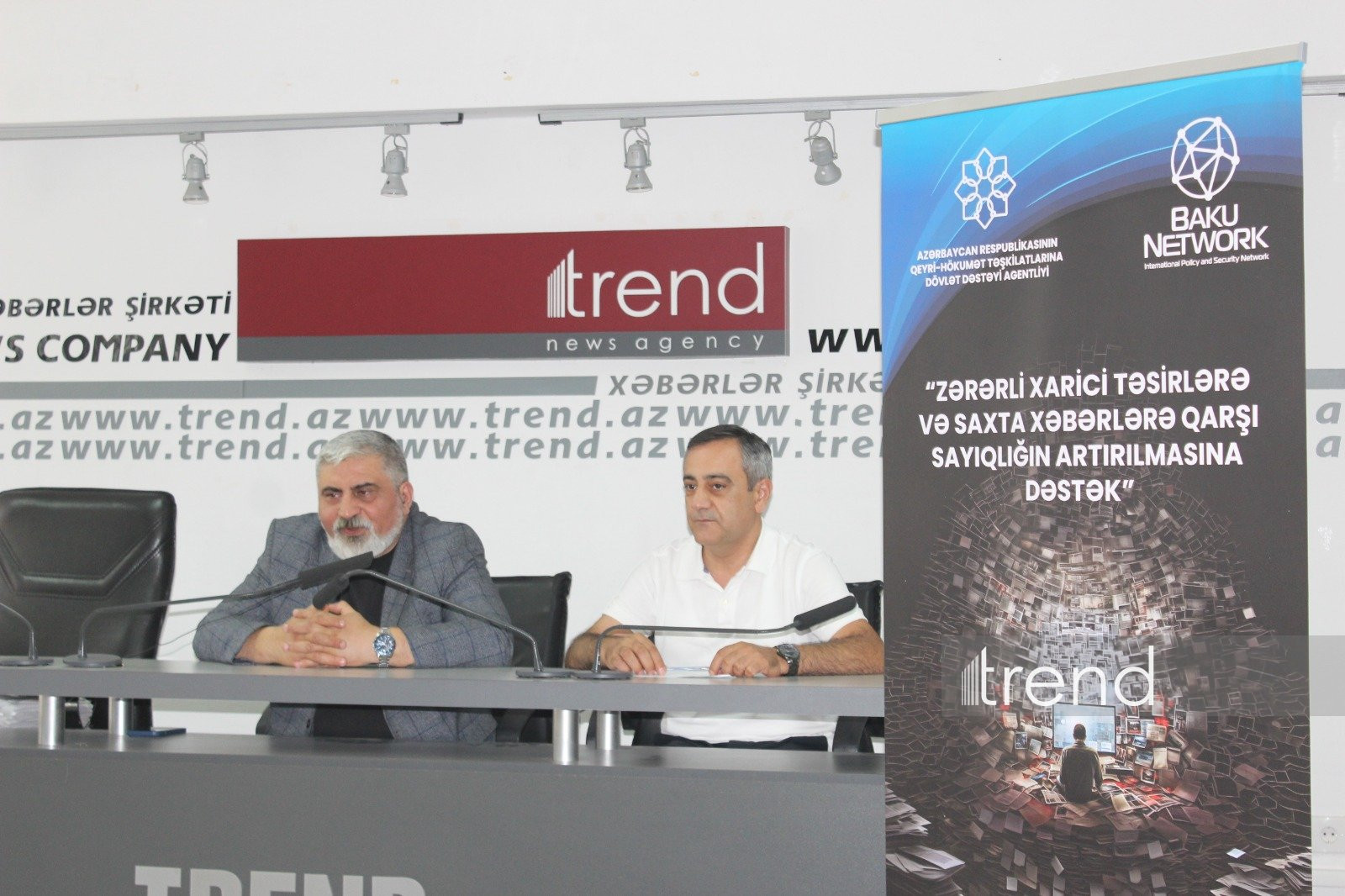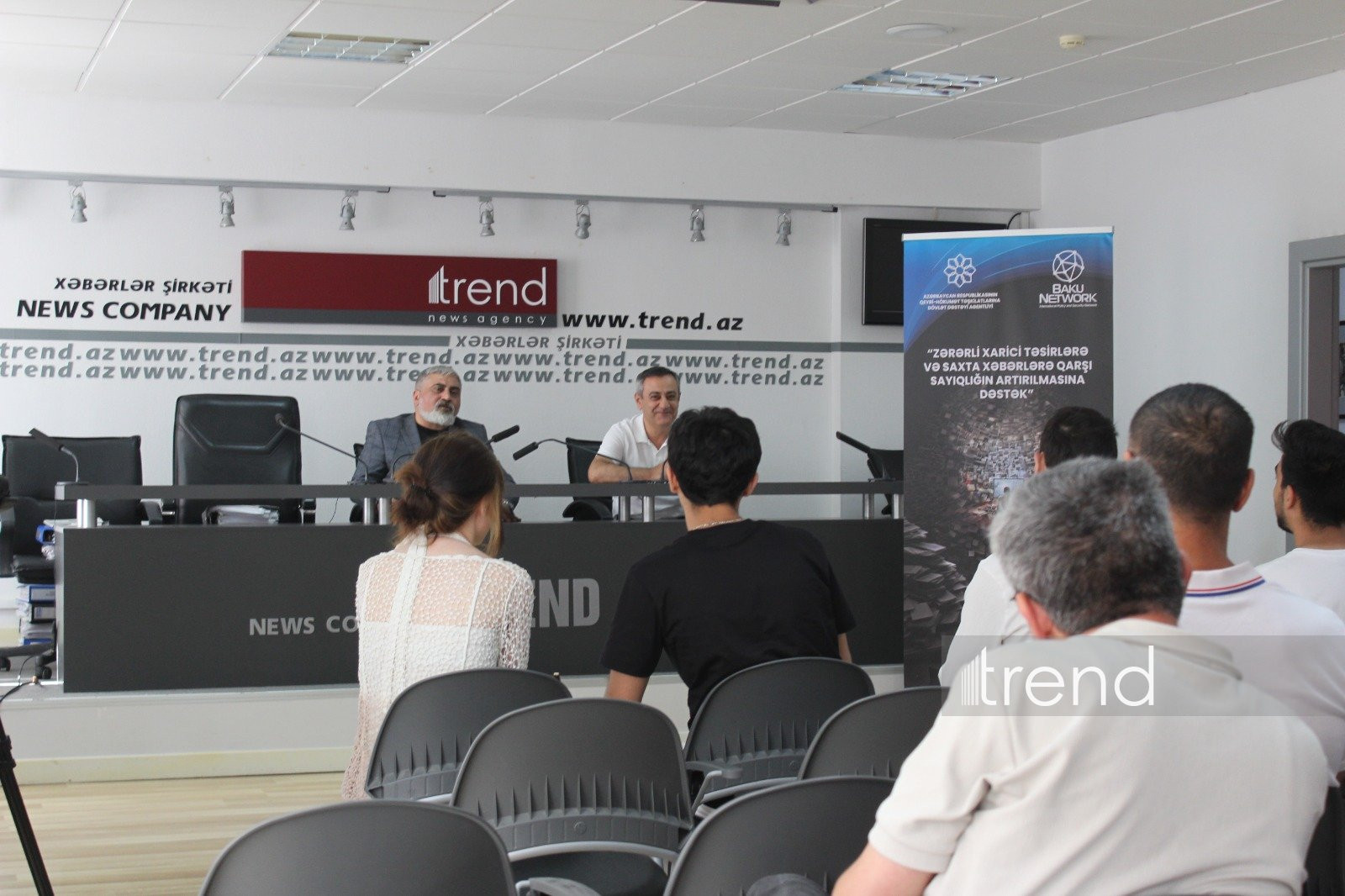
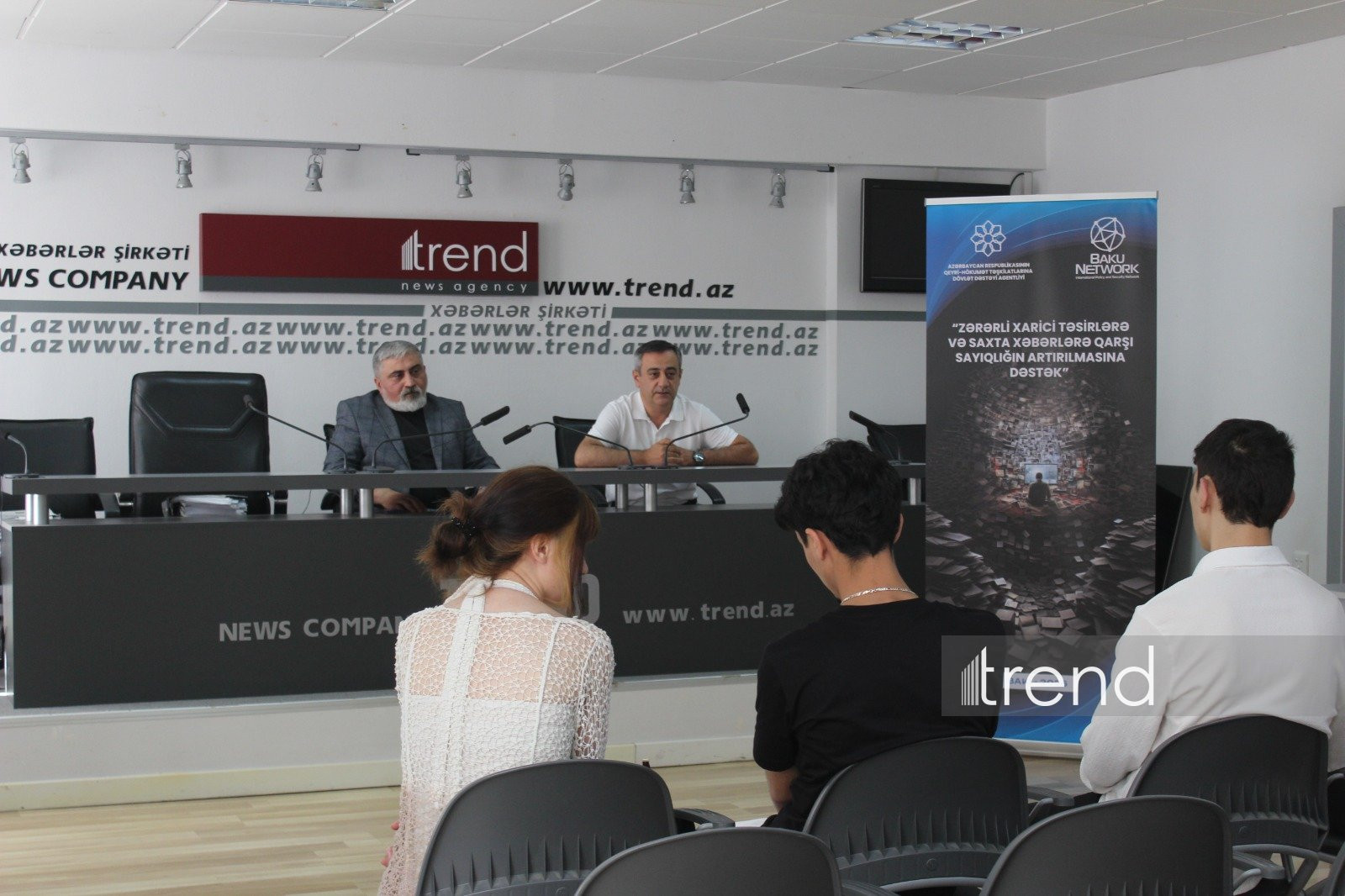
The Baku Network Research and Analysis Public Association, with the support of the Agency for State Support to Non-Governmental Organizations, held an event as part of the project “Supporting Greater Vigilance Against Harmful Foreign Influence and Fake News.”
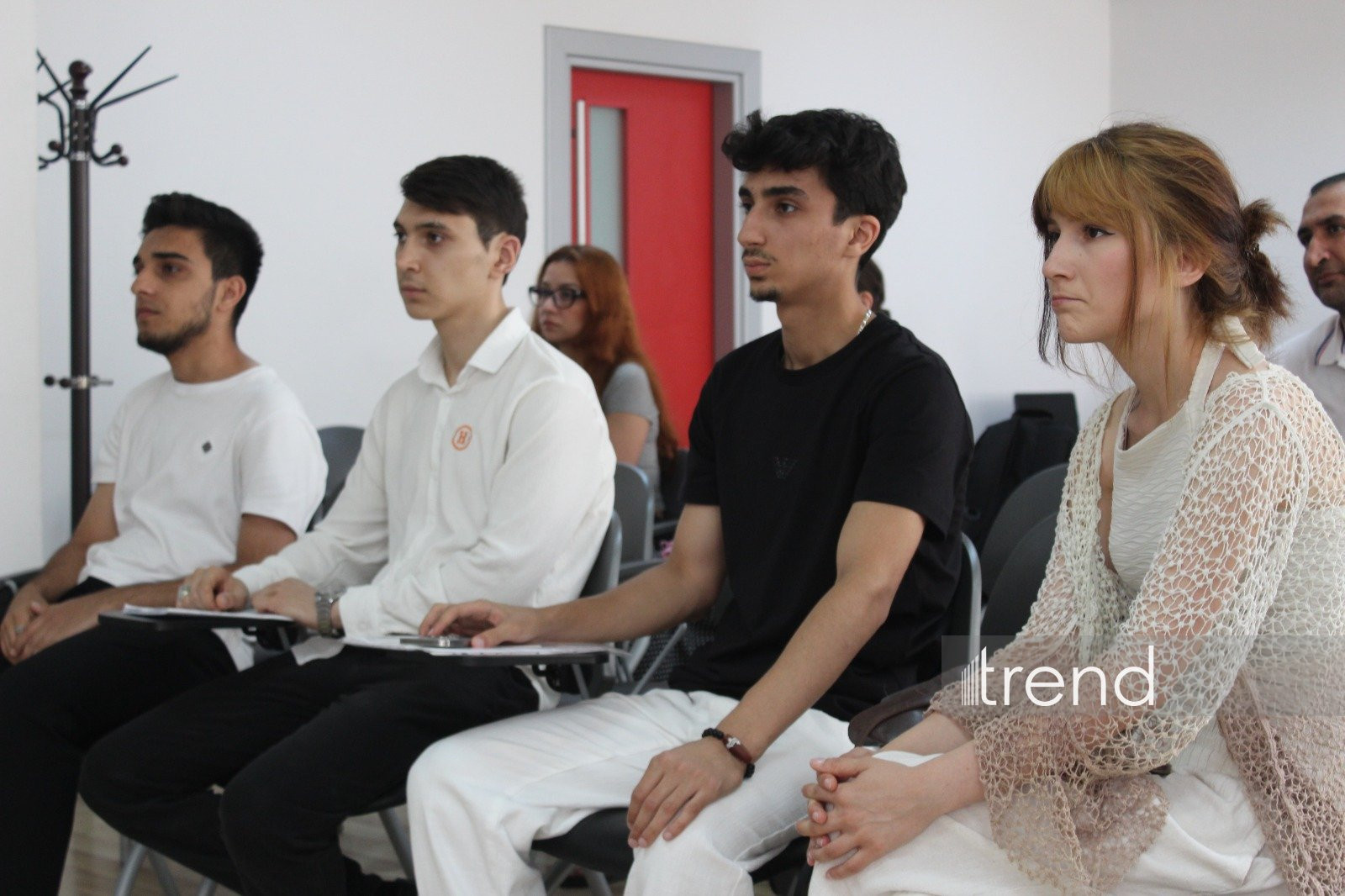
According to a Trend correspondent who attended the event, participants included students from the Faculty of Journalism at Baku State University, public activists, bloggers, and media representatives.
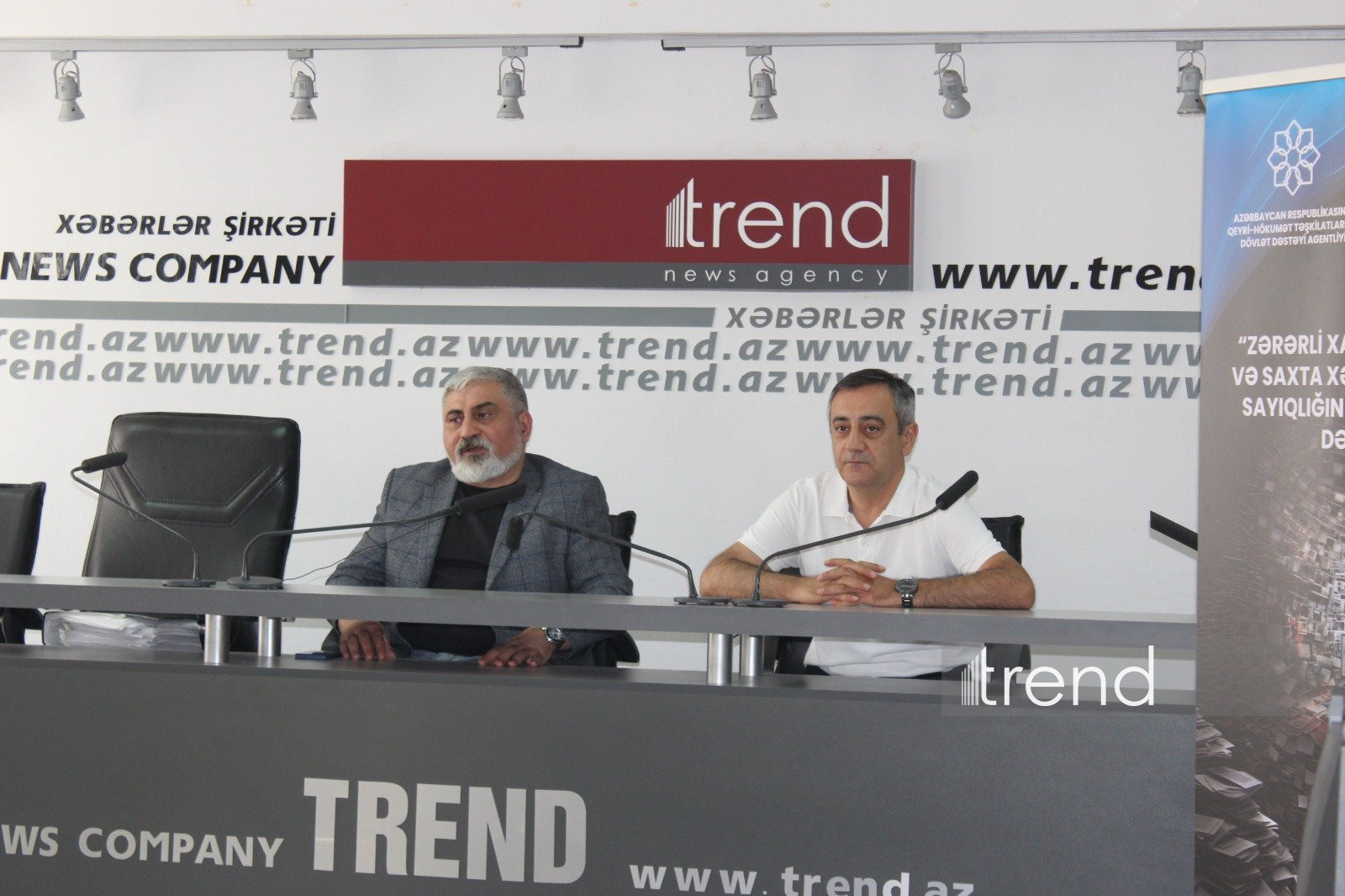
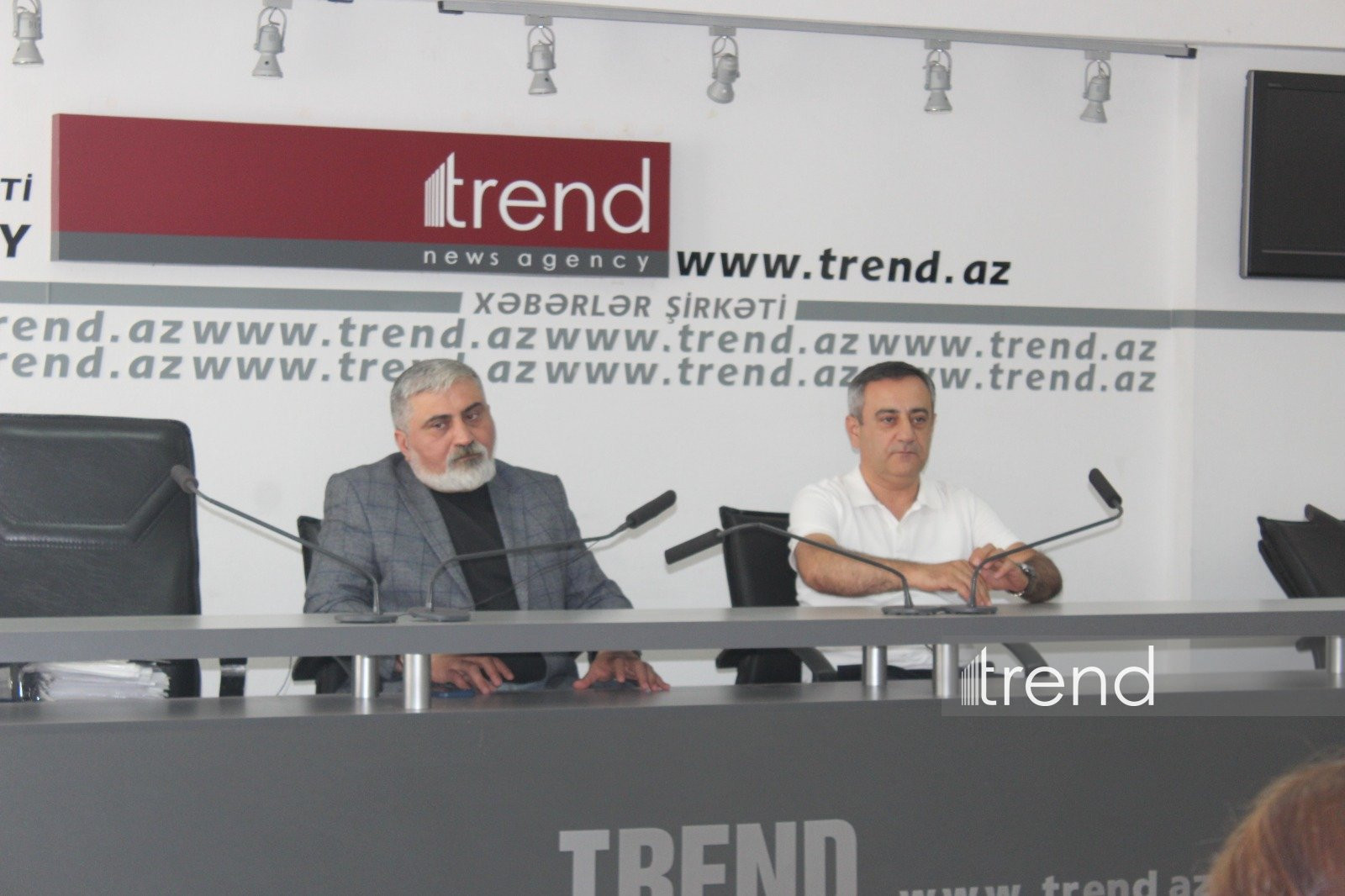
In his remarks, Elchin Aghajanov, chairman of the Baku Network Research and Analysis Public Association and head of the project, noted that one of the key challenges in the media sphere is the multilayered nature of modern information. According to him, this includes hybrid information, disinformation, misinformation, and fake news.
“Disinformation is deliberately false information spread intentionally, while misinformation refers to information that misleads people. Fake news, in turn, distorts reality by presenting only selected fragments of facts. The spread of disinformation on social media is a serious problem, and the role of foreign media resources in this process is quite significant. Azerbaijan’s policy and the geopolitical course pursued by the country’s leadership cause dissatisfaction in certain circles, as a result of which information campaigns are conducted to turn the country into a target,” he said.
Elchin Aghajanov emphasized that, under these circumstances, the main priority is to remain vigilant, properly assess incoming information, and be able to distinguish the real situation from an artificially constructed information picture. He also noted that the concept of a hybrid threat includes not only false news, but also various methods of information manipulation.
In his speech, Sahil Kerimli, deputy director of Trend IA and trainer-expert of the project, said that the main advice for future journalists and students who will work in the media field is to uphold accuracy and objectivity and give preference to reliable sources. He stressed that before information is published, its credibility must be verified and the position of official sources must be examined.
“The press services of most government agencies are open to the media and provide information promptly. At the same time, a significant share of disinformation and fake news comes from foreign sources. Sometimes such materials are aimed at shaping a biased attitude toward Azerbaijan and creating tension in the region. Just as biased information campaigns against Azerbaijan failed in the past, they will not achieve their goals in the future either. Azerbaijani society has already developed a certain immunity to fake news and disinformation. People are able to properly assess the purpose of the information being spread and the intentions behind it,” Sahil Kerimli noted.
The speakers emphasized the special role of media literacy and professional journalism in ensuring information security. It was noted that in the fight against disinformation and fake news, reliance on credible sources, prompt fact-checking, and critical thinking are among the core principles.
It was also stated that educational events in this area help strengthen society’s resilience to information manipulation. The speeches particularly highlighted the importance of a responsible approach by young people and future journalists to working in the information environment.
At the end of the event, participants received answers to their questions, followed by an exchange of views on the topic.