
Throughout the challenging periods of the country's modern history, Azerbaijani ballet has succeeded in preserving its continuity, professional school, and dedication to stage traditions.
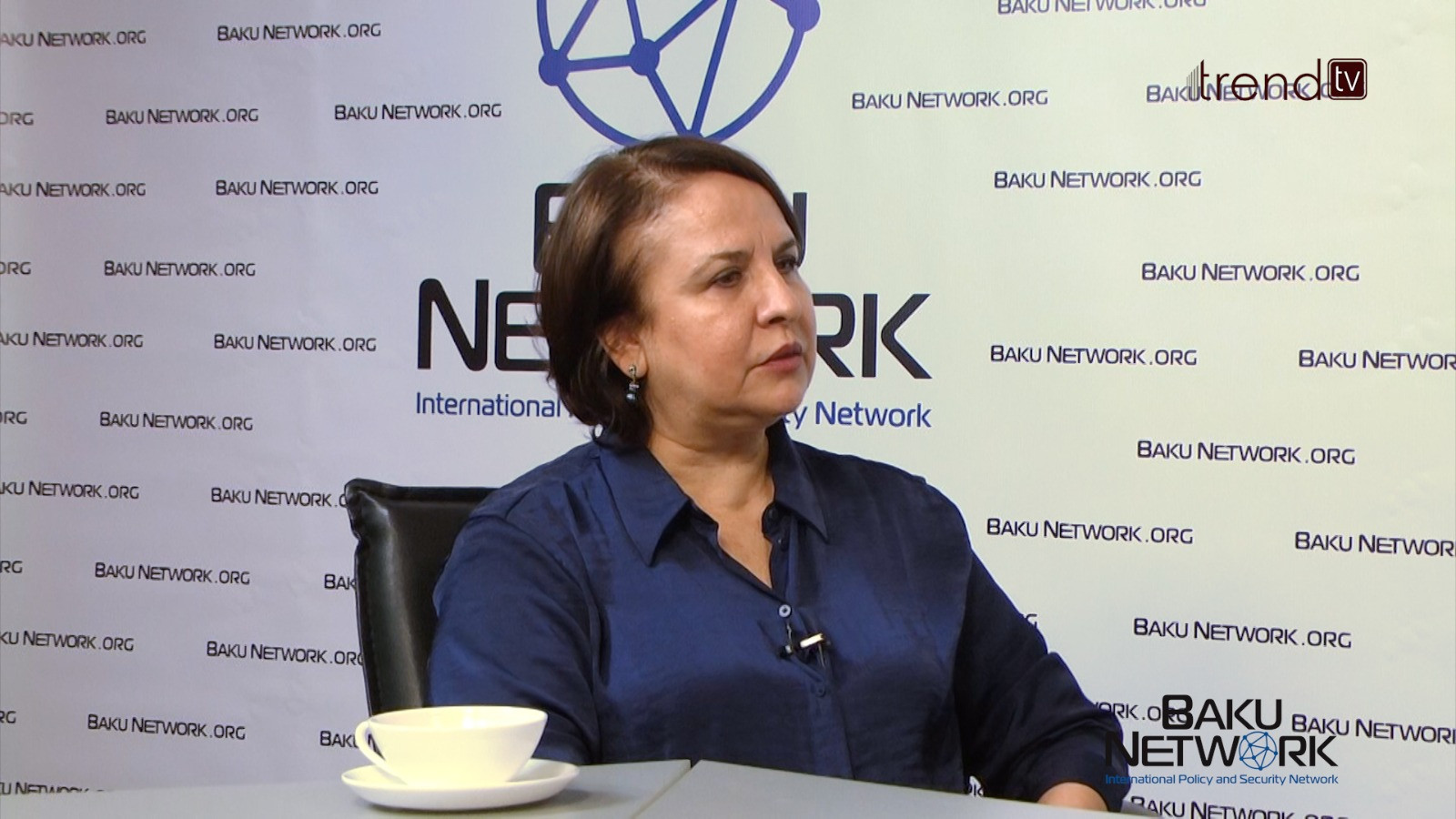
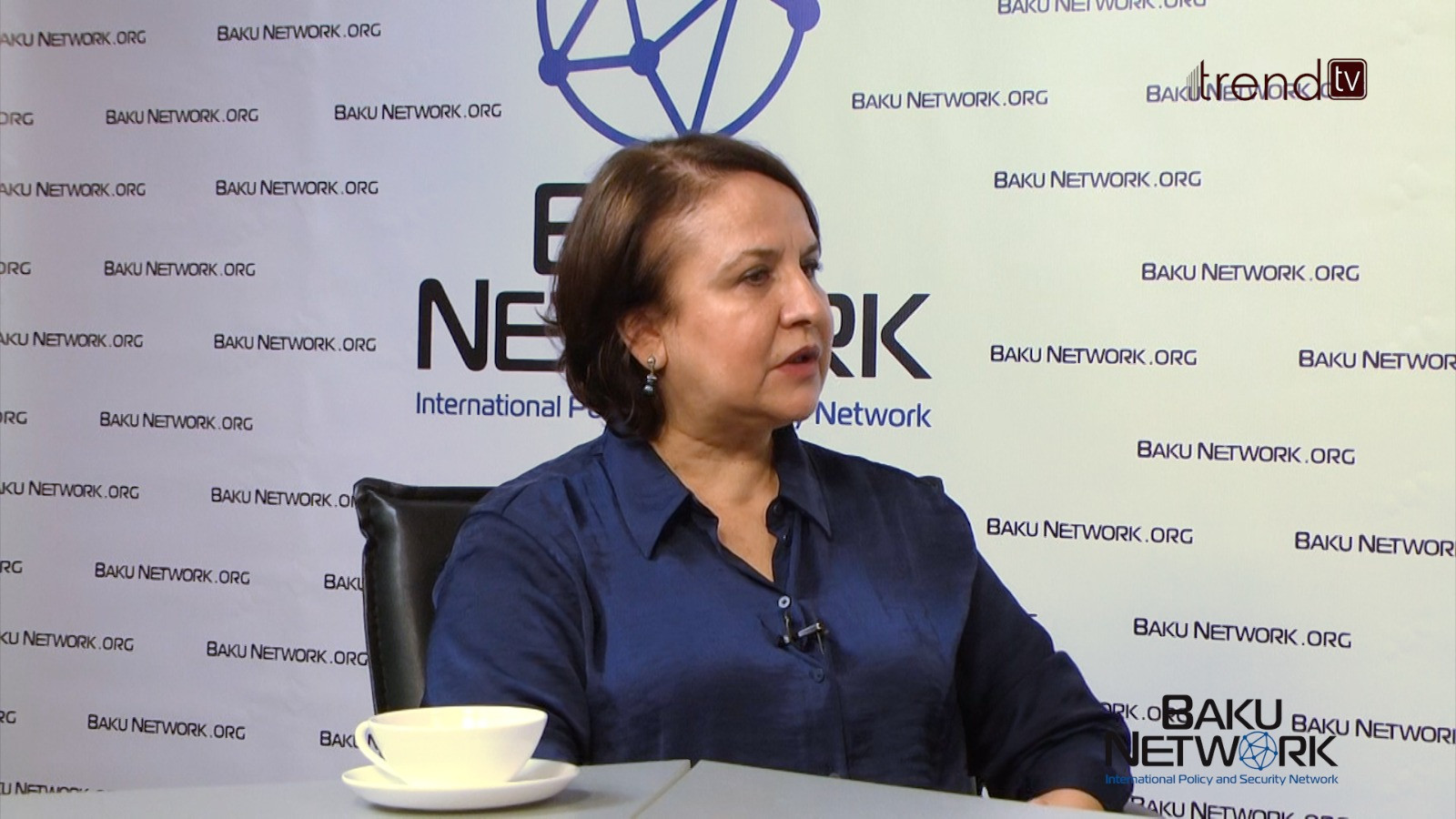
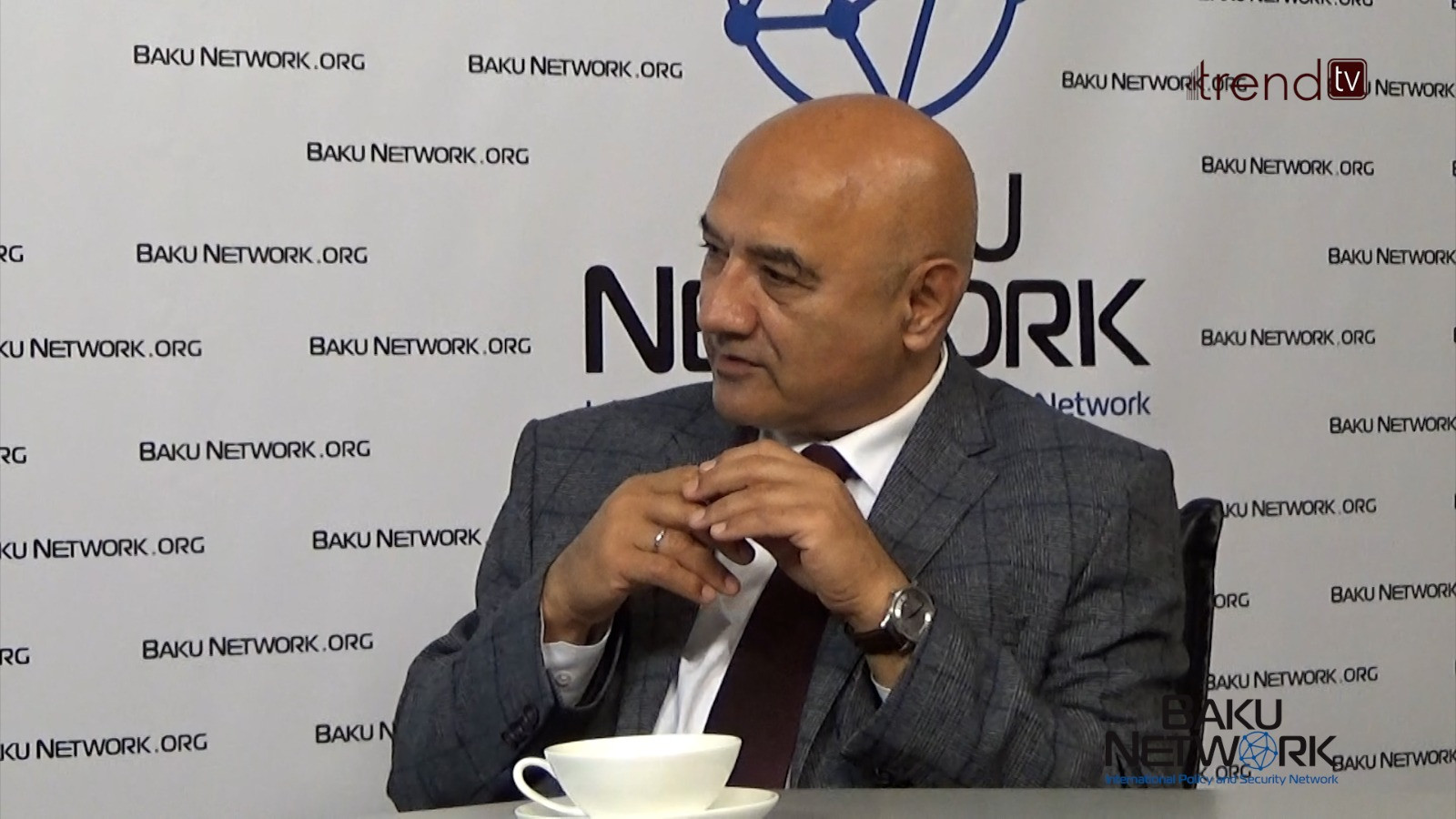
Medina Aliyeva, People's Artist of Azerbaijan, laureate of the "Golden Dervish" and "Zirva" awards, and renowned ballet master and choreographer, shared these insights during the latest episode of the "Dialogue with Tofig Abbasov" video project on the Baku Network analytical platform.
According to her, during years of severe political and military upheaval, Azerbaijani cultural figures were deeply affected by the distorted perception of events unfolding in the South Caucasus.
"To many, it seemed as if Azerbaijan had disrupted the peace and harmony between two nations. We experienced this very painfully," Aliyeva said.
She noted that during that period, the theater troupe underwent a significant transformation. Many artists departed, and as the choreographer emphasized, this did not apply only to Armenians. Consequently, the ensemble was left with a diminished roster; however, the primary objective became the preservation of the repertoire and the transmission of professional traditions to the next generation.
"A theater is more than just beautiful walls and a grand hall. Above all, it is a human resource," Aliyeva stressed.
She stated that legendary masters of Azerbaijani ballet—such as Chimnaz Babayeva, Rafiga Akhundova, Maqsud Ahmedov, and other representatives of the older generation—played a vital role in preserving the school and the repertoire.
Aliyeva recalled that she was already a leading ballerina at the theater during that time, remaining the prima for ten years. She emphasized that throughout her entire career, not a single performance was disrupted or canceled due to her fault.
Reflecting on the era of the First Karabakh War, the People's Artist noted that it was a grueling period for both the country and the theater. She mentioned that a curfew was in effect in Baku, and theatrical life was forced to adapt to the new realities.
"Of course, performances were not held during that time. It was a difficult, trying era, but we endured it with dignity," she said.
At the same time, Aliyeva emphasized that even amidst the crisis, the Azerbaijani theater did not find itself in total isolation. Tours continued, though they became less frequent. She pointed out that the theater maintained creative contacts both within the post-Soviet space and beyond.
Special attention during the conversation was given to the issue of cultural bridges in the South Caucasus. Aliyeva recalled that in 1987, Baku hosted the first Transcaucasian Ballet Competition, featuring representatives from Azerbaijan, Georgia, and Armenia. She suggested that this experience could have served as a foundation for future cultural dialogue, although direct bilateral contacts remain psychologically difficult today.
"Perhaps the time has not yet come. But we share a single planet that is already in need of help," she said.
The choreographer did not rule out the possibility that similar creative meetings could take place on neutral territory in the future.
Aliyeva also discussed the school that shaped Azerbaijani ballet. She explained that there are three primary schools of classical ballet in the world—Italian, French, and Russian—and the Azerbaijani tradition is historically linked specifically to the Russian academic school. She reminded the audience that this lineage was established by the first Azerbaijani ballerina, Gamar Almaszadeh, who studied in St. Petersburg.
Regarding the younger generation of artists, Medina Aliyeva noted that working with youth provides her with great energy and professional fulfillment. However, she emphasized that it is more difficult for modern students to maintain concentration due to the massive flow of information and the need to balance creativity with education.
"Ballet is a profession that requires complete immersion. If you want a good result, you must give yourself entirely," she stated.
According to Aliyeva, ballet demands not only technique, discipline, and physical prowess but also internal preparation. Only a complete mastery of technique, she emphasized, allows an artist to reveal a character and live out the destiny of a hero or heroine on stage.
The People's Artist specifically highlighted the richness of Azerbaijan's ballet heritage. She remarked that there are few countries in the world where so many composers have created balletic works.
"This is an immense wealth, a true treasure trove. We must take pride in this, cherish it, and pass it on to the next generation," Medina Aliyeva concluded.