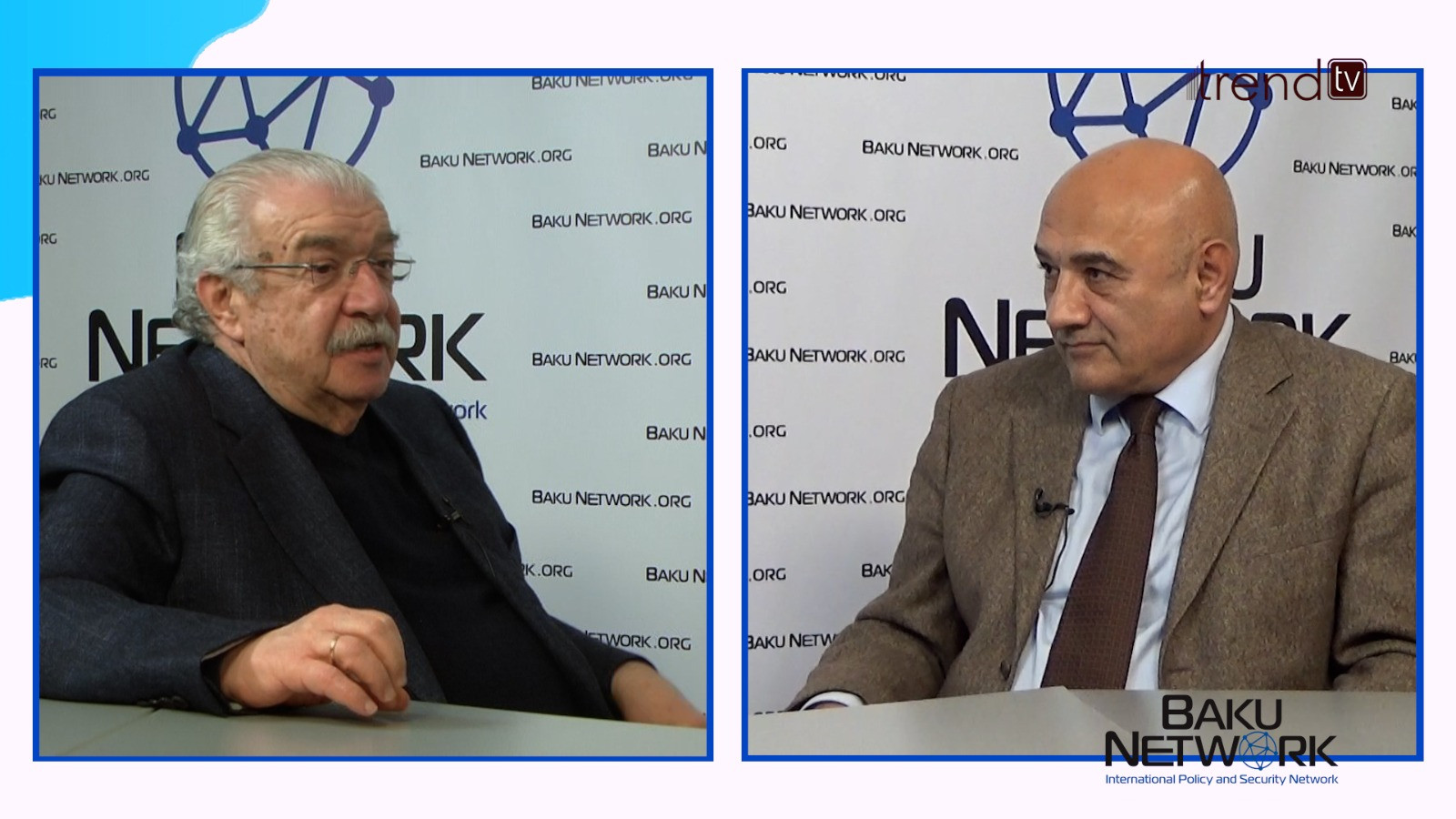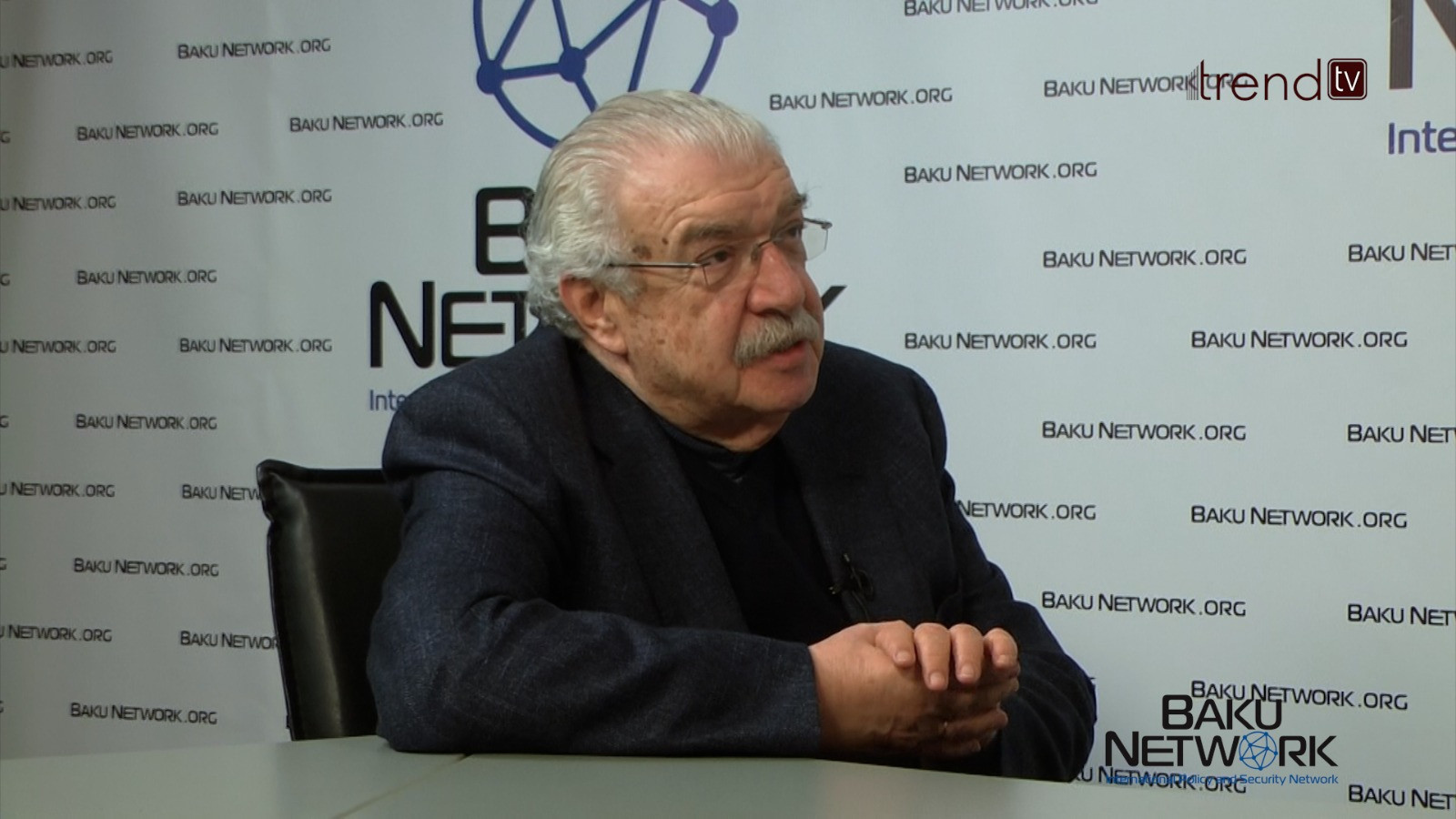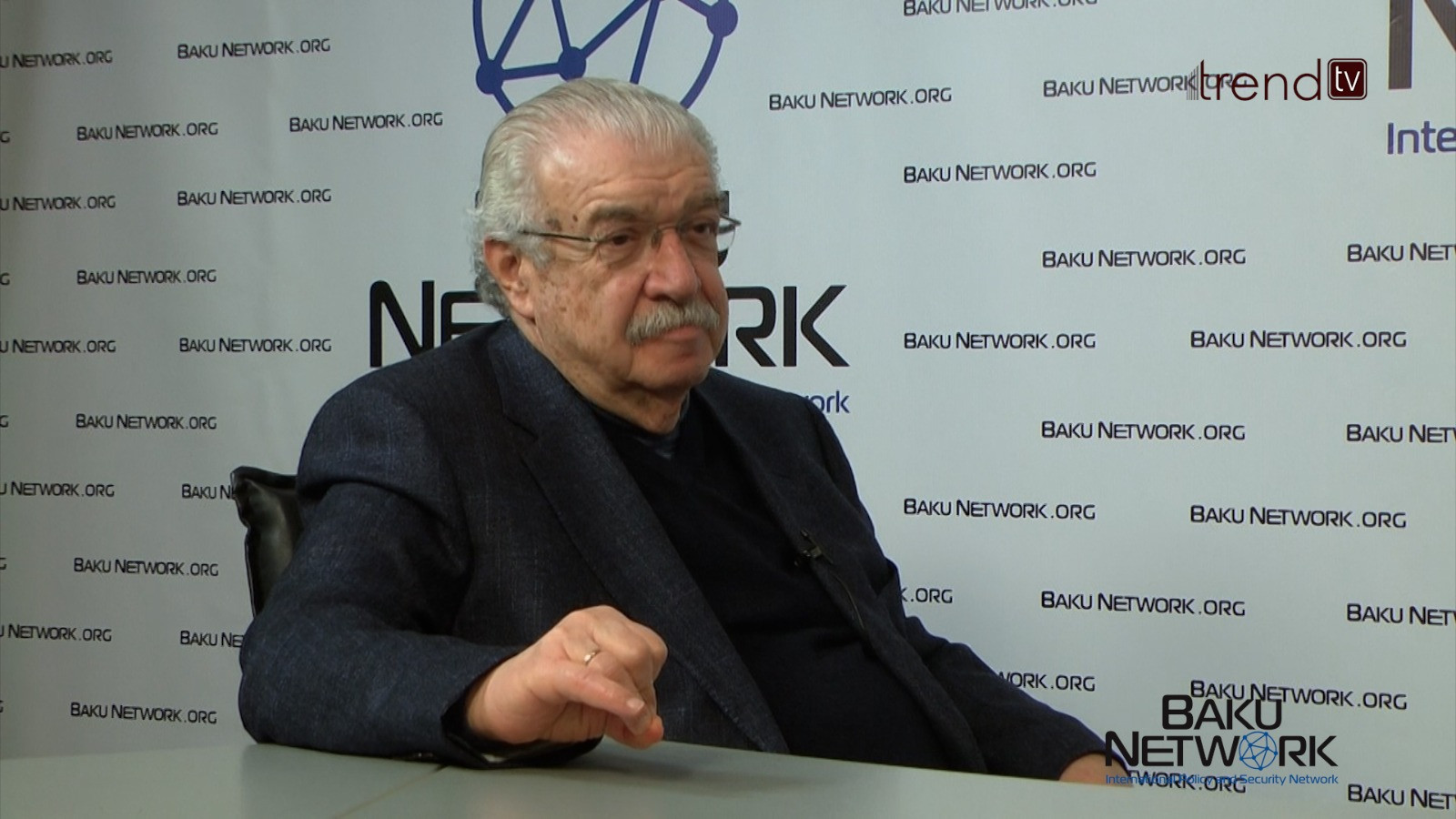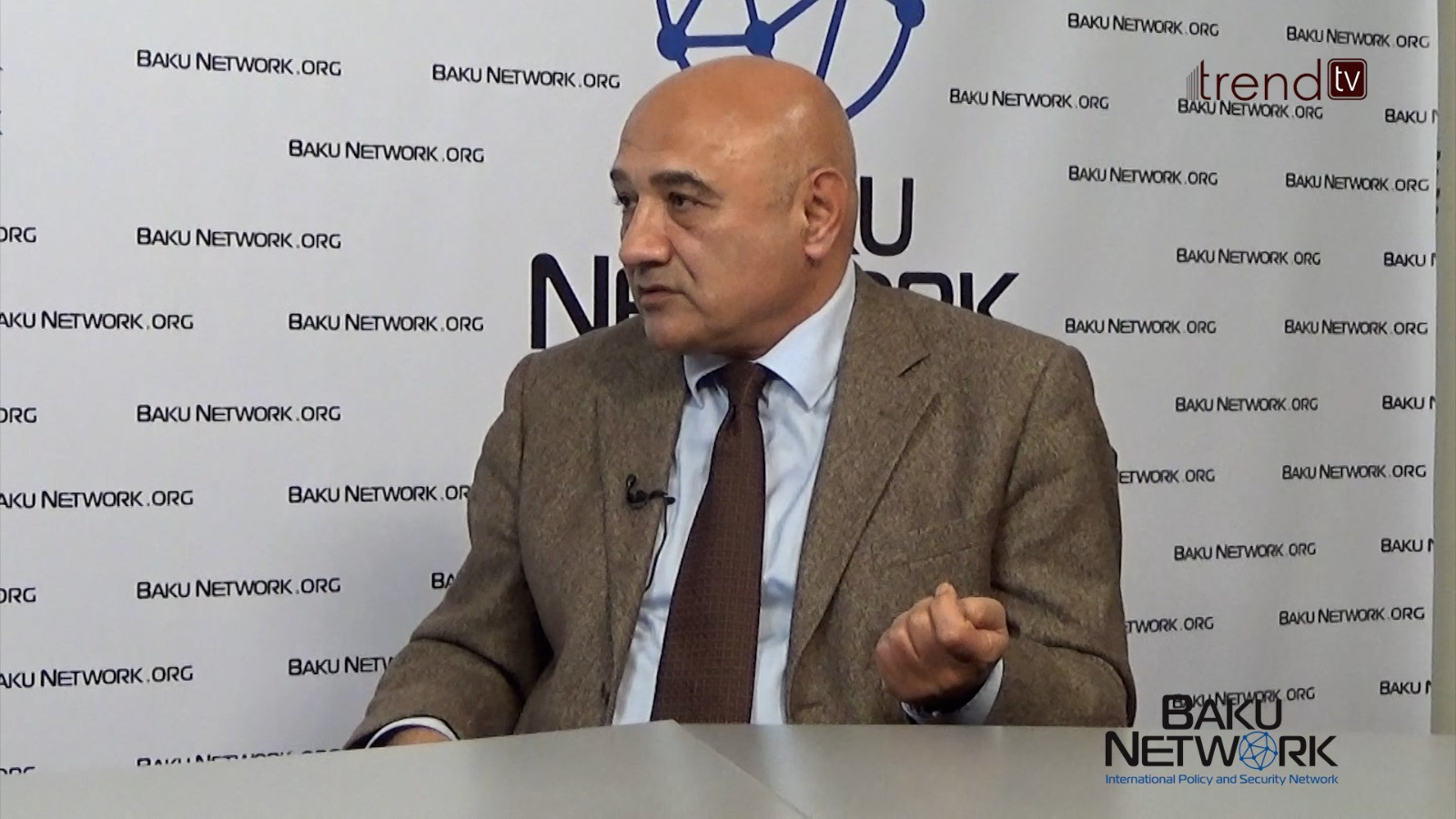

A new episode of the analytical video series Dialogue with Tofig Abbasov has been released on the Baku Network expert platform.
The guest this time was Mikhail Gusman - a renowned journalist, radio and television host, author, public intellectual, and recipient of state orders from Azerbaijan, Russia, Italy, Belarus, Kazakhstan, Moldova, as well as numerous international awards.
In a wide-ranging and substantive conversation with Tofig Abbasov, Gusman offered a detailed assessment of the geopolitical shifts underway in the South Caucasus, Azerbaijan’s role in shaping a new regional architecture, and the broader significance of the recent visit to the region by U.S. Vice President J. D. Vance.
According to Gusman, the very fact of the American vice president’s visit is itself a clear marker of deep strategic change. The arrival of a U.S. vice president, he argued, speaks volumes. It signals that the groundwork is being laid here for future processes of real consequence.
He recalled that years ago, while closely following intra-party dynamics in the United States, it was already evident how much weight a Republican administration would place on the South Caucasus.
Back then, Gusman noted, Donald Trump accurately anticipated the trajectory of U.S. foreign policy. At the same time, Ilham Aliyev proved equally precise in forecasting the outcome of future elections and the nature of bilateral relations between Baku and Washington.
The visit of the U.S. vice president to Baku, Gusman emphasized, is a direct confirmation of those forecasts and a logical continuation of understandings reached earlier at the highest political level.
Special attention during the discussion was given to the meeting held on August 8 of last year at the White House. According to Gusman, that moment became the true point of departure for a new political reality in the region.
Commenting on Vance’s visit, Gusman stressed that this was no longer about symbolic gestures but about the practical implementation of prior agreements.
It matters, he said, that the vice president did not come alone but arrived with an entire team. That, in his view, is a clear indication that concrete issues are on the agenda and that the United States intends to establish a serious, lasting presence in the region.
Turning to the strategic importance of the South Caucasus, Gusman described it as one of the key nodes of the global economy today. From China to America, from Europe to Iran, there is hardly a country that does not see vital interests converging here.
He placed particular emphasis on the Zangezur Corridor, calling it one of the defining infrastructure projects of the twenty-first century.
Gusman also spoke highly of Azerbaijan’s role as a driver of regional peace and stability, underscoring what he described as the humane posture of a victor. A true winner, he said, must act with humanity, and Azerbaijan has demonstrated this consistently and as a matter of principle.
In his assessment, peace in the South Caucasus is now irreversible. Once Azerbaijan put a final end to the conflict, peace settled in the region for good. The task now, he argued, is to learn how to live within this new reality.
He concluded by noting that pragmatists and rational thinkers now set the tone in Azerbaijan. The era of marginal figures is fading, Gusman said. Today, the country’s main trends are shaped by people who are focused squarely on the future of their state.