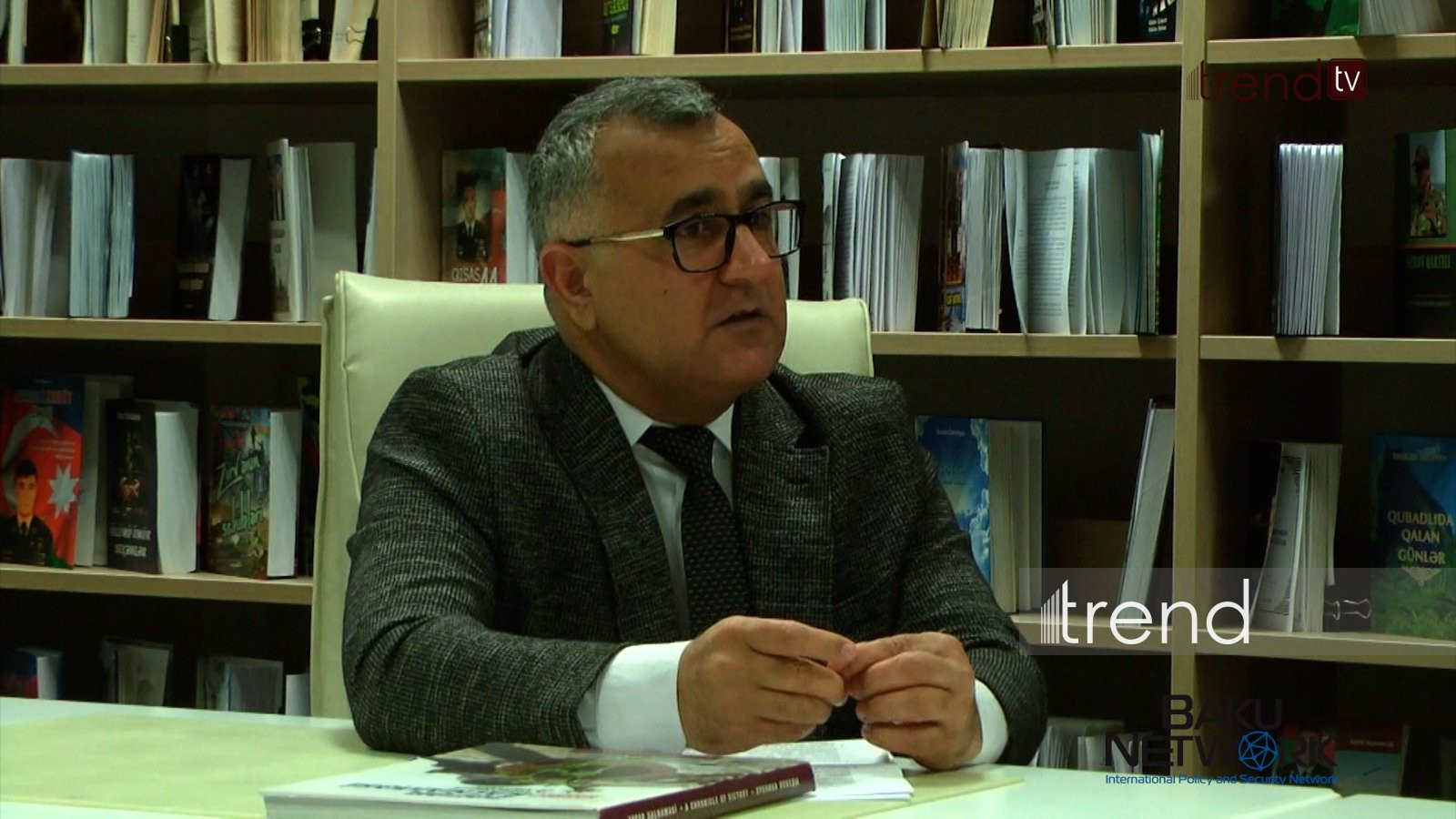
A new episode of the Baku Network platform’s analytical series, dedicated to the development of the mediation system in Azerbaijan, has been released.
The guest of the program was Dr. Nadir Adilov, Associate Professor and Chairman of the Board of the Mediation Council. In his interview, Adilov offered a detailed look at the dynamics of public engagement with mediation and the legal trends shaping this growing field.
According to Adilov, Azerbaijan’s Law on Mediation effectively transfers part of what used to be the courts’ exclusive authority into the hands of ordinary citizens. “Today, family and labor disputes must go through the reconciliation process,” he explained. “The state gives citizens a chance to achieve the decision they want to hear from a judge — but this time through mutual agreement. The key is for people to know their rights and understand how the system works.”
Adilov noted that in the first three quarters of 2025 alone, the mediation system received roughly 38,000 applications. “Most of them stem from family conflicts, followed by labor disputes,” he said. “Voluntary civil and commercial cases are also gaining ground, building a steady trend of trust. Of all the cases submitted, more than 34,000 have already been closed — though about half ended up being handled by mediators in a de facto one-sided format, as one party chose not to participate.”
During that period, the parties signed 620 settlement agreements. “The majority involved family disputes, a significant portion concerned labor conflicts, and the rest were related to commercial and civil matters,” Adilov said.
Many long-running disputes, he added, trace back to outdated traditions — dowries, gold jewelry, or household items from decades ago. “These old habits create legal deadlocks and drag entire families into conflict,” he noted. Adilov believes the solution lies in mandatory prenuptial agreements that would become a legal requirement at the time of marriage registration.
Adilov also reminded that Azerbaijan is a co-founder of the Turkic World Mediation Alliance and is currently working toward joining the Singapore Convention on Mediation — a move that would ensure the enforceability of cross-border settlement agreements in commercial disputes.
Mediator training, he said, is conducted through the Academy of Justice, with both general and specialized programs, and mandatory retraining every two years. “Around 400 mediators are active in the system today,” Adilov said. “But more than 300 have been removed for failing to meet professional standards.”
Ultimately, Adilov emphasized, mediation in Azerbaijan is no longer just a legal mechanism. “It’s becoming a social tool,” he said — “a way to take destructive disputes out of the everyday lives of ordinary people.”