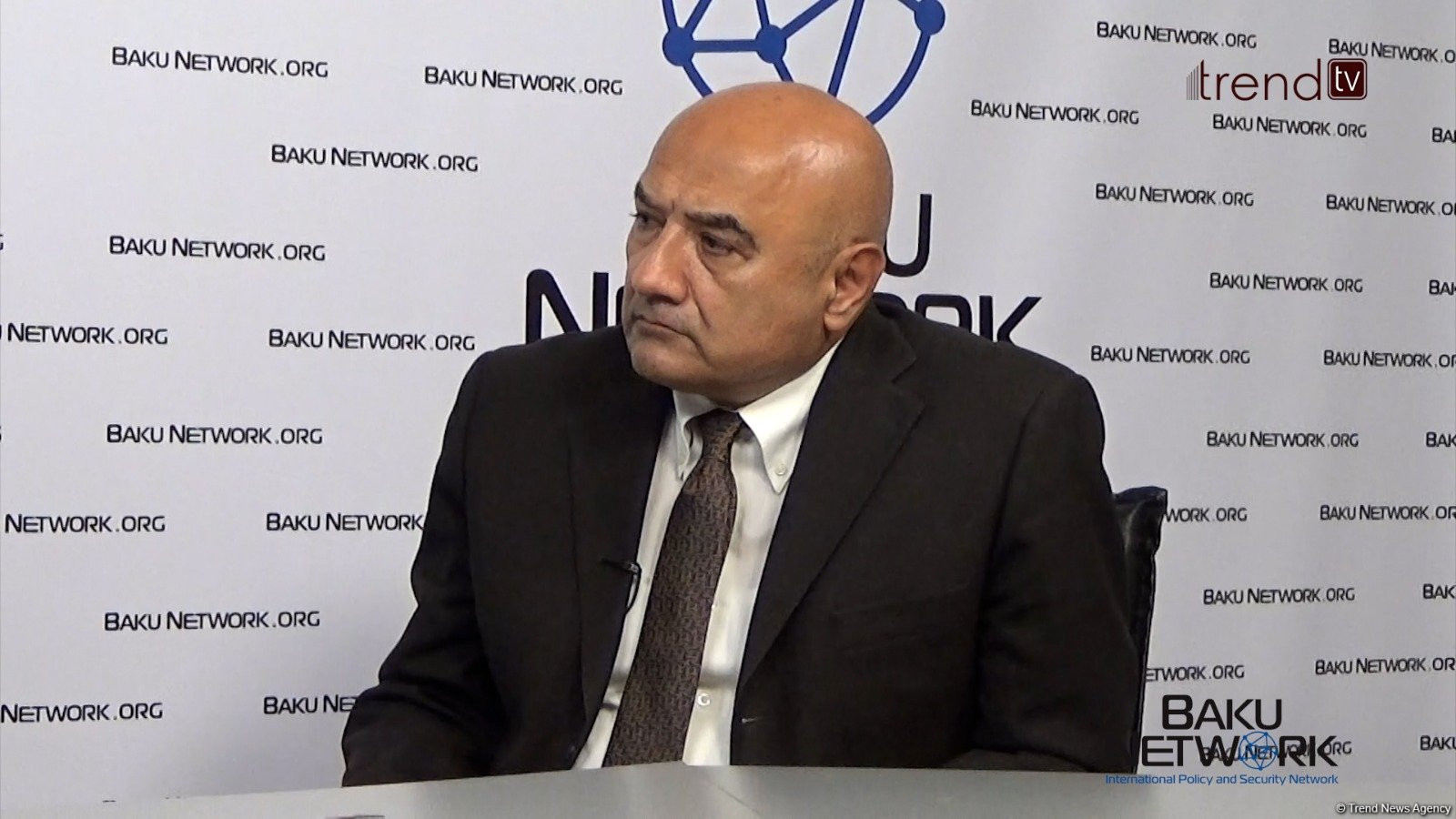
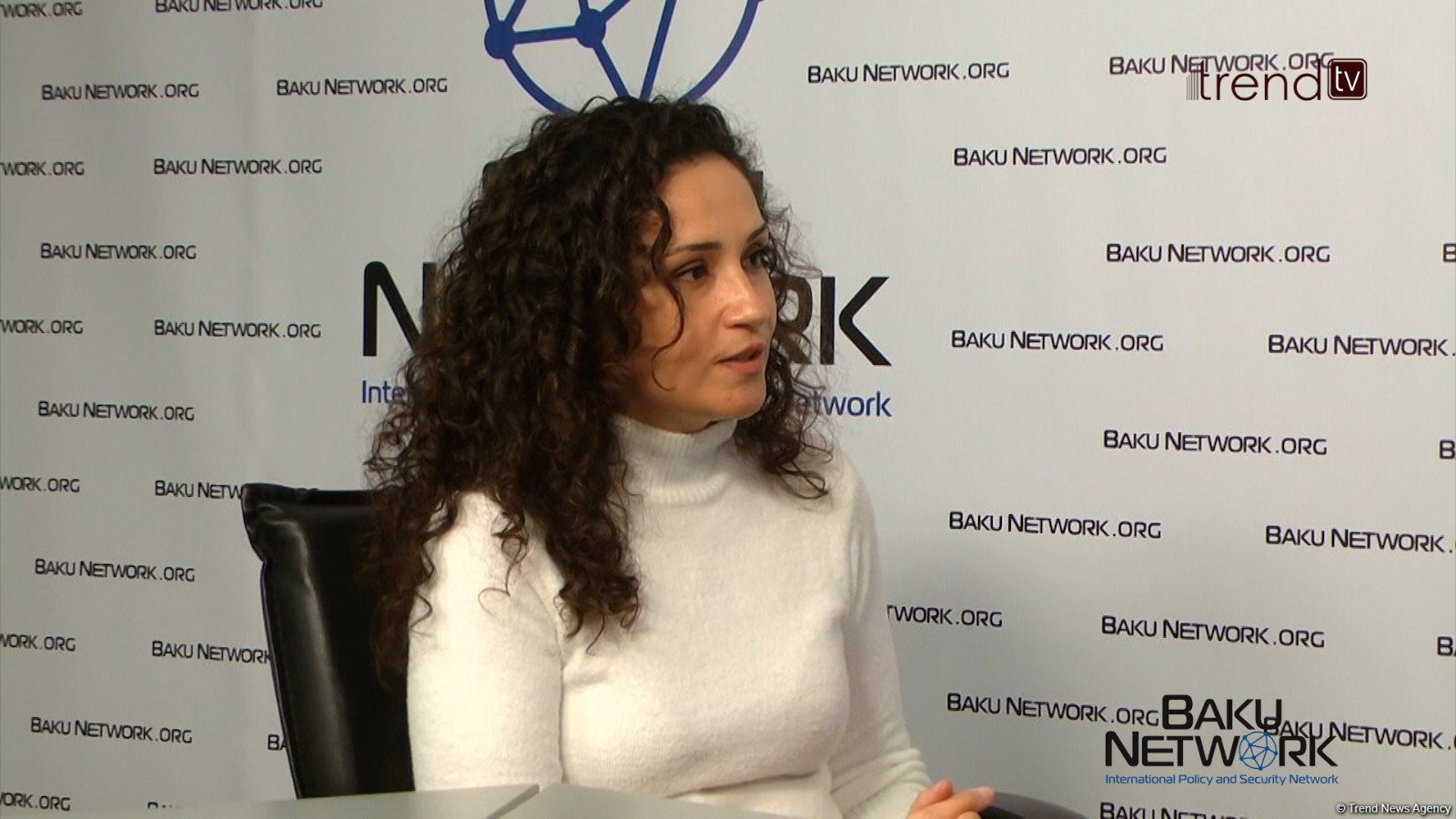
A new episode of the Baku Network's analytical series Dialogue with Tofiq Abbasov features a compelling conversation with Saida Tagizade, the director of the State Children's Philharmonic, concert pianist, educator, and the visionary behind the widely acclaimed “Simurgh” project.
Tagizade, who assumed leadership of the Philharmonic in May 2025, brings to the role not just her artistic credentials but nearly a decade of hands-on experience working with children. That background, she says, helped her quickly build trust, set up efficient creative processes, and revitalize the organization with a fresh, dynamic spirit.
Reflecting on her own journey, Tagizade spoke candidly about growing up during the turbulent 1990s—a time she described as both formative and fraught. For her, music became more than a profession; it was a lifeline. “Art gave many children in those years a way to survive emotionally, to stay grounded, and eventually, to find their purpose,” she said.
The “Simurgh” Vision
One of the hallmarks of her leadership has been the launch of “Simurgh,” a music education festival designed to bring world-class instructors to Azerbaijan. The project’s goal: bridge cultural gaps, raise artistic standards, and inspire the next generation of young musicians.
Throughout the conversation, Tagizade emphasized music’s role as a subtle but powerful tool of cultural diplomacy. “Even when politics divides us,” she noted, “creative spaces can keep people connected. They help us hear each other, preserve human connections, and challenge entrenched stereotypes.”
The Child at the Center
As a mother of two, Tagizade places immense value on raising children with empathy, respect, and emotional intelligence. Her philosophy permeates every aspect of her work at the Philharmonic. Whether it’s choosing concert themes, designing stage sets, or developing new productions, she insists on involving the children in the decision-making process. “A child should never just execute someone else's vision,” she said. “They need to feel like co-authors and contributors. That’s how you raise not just artists, but individuals with a voice.”
She also stressed that children are quick to detect authenticity. “If you genuinely listen to them, give them room to express themselves, and take their opinions seriously, they’ll flourish. But if you ignore or suppress them, it leaves lasting scars.”
A Season of Growth
Under Tagizade’s direction, the Philharmonic has already notched several successes. One standout performance was a vibrant concert held at the Ganja Philharmonic in celebration of International Children's Day. Over the summer, an open audition—originally intended to select just ten performers—ended up identifying nearly a hundred promising young talents.
Since then, the performance schedule has expanded, the programming has diversified—ranging from jazz-pop showcases to evenings of baroque music—and the momentum shows no signs of slowing.
Nurturing the Light Within
As the interview drew to a close, Tagizade offered a quiet but powerful reflection: “You can’t manufacture a personality. It has to grow. What adults can do is nurture the light inside, give it room to shine, and protect it from being snuffed out. That’s what we try to do every day at the State Children’s Philharmonic.”
Her message was clear: in a world often marked by noise and division, creativity isn’t just a luxury—it’s a necessity. And in the hands of committed educators and artists, it becomes a force for resilience, understanding, and change.