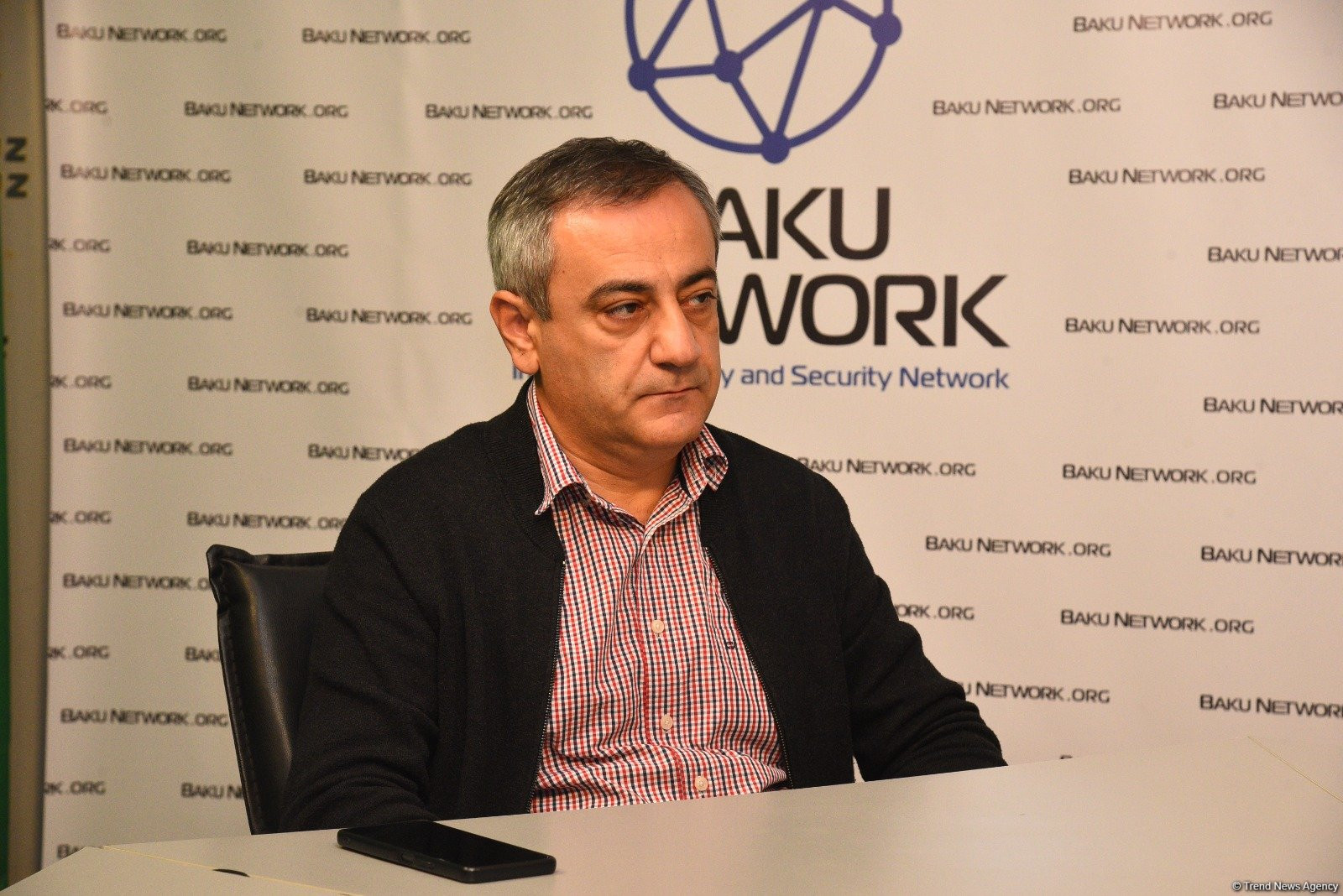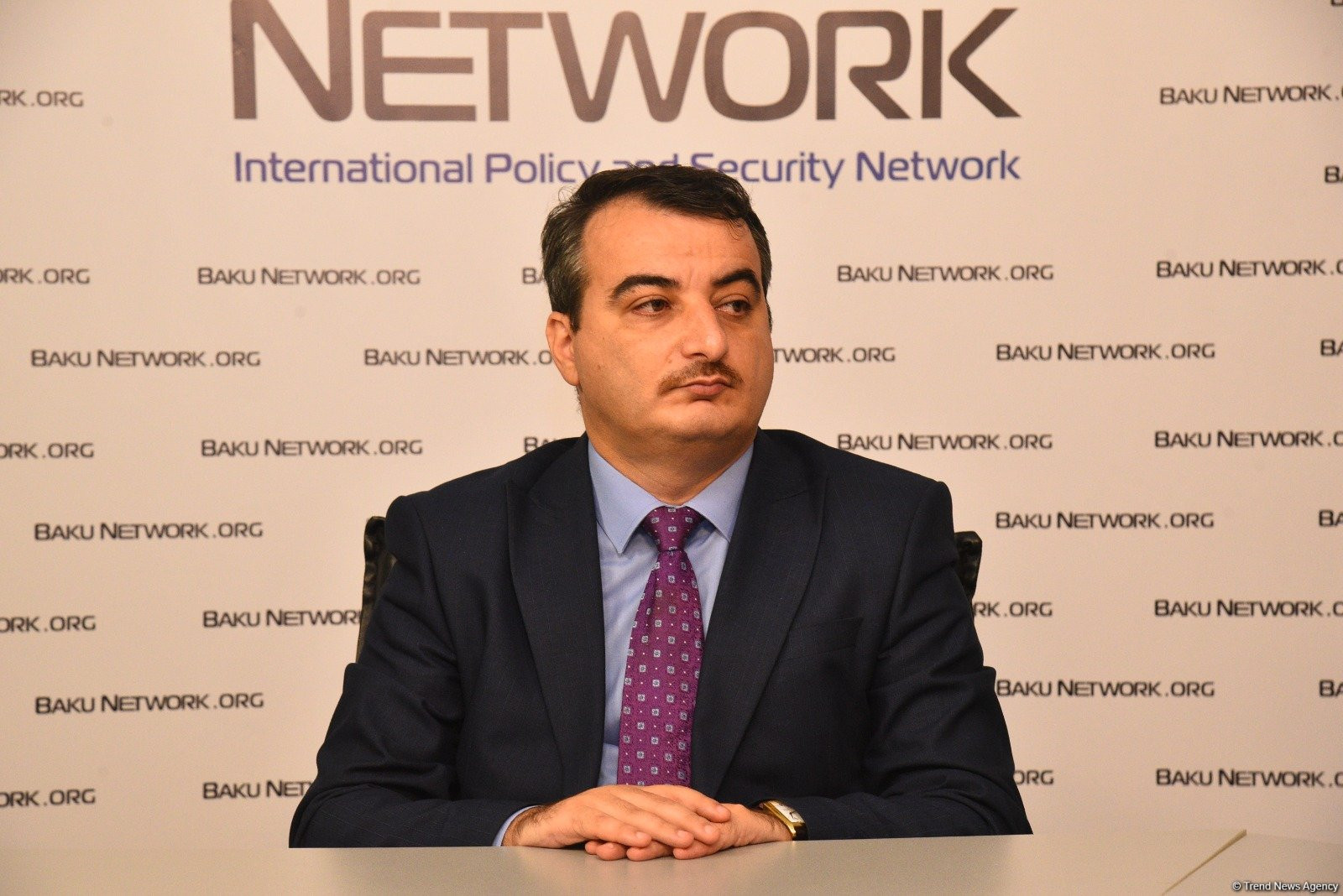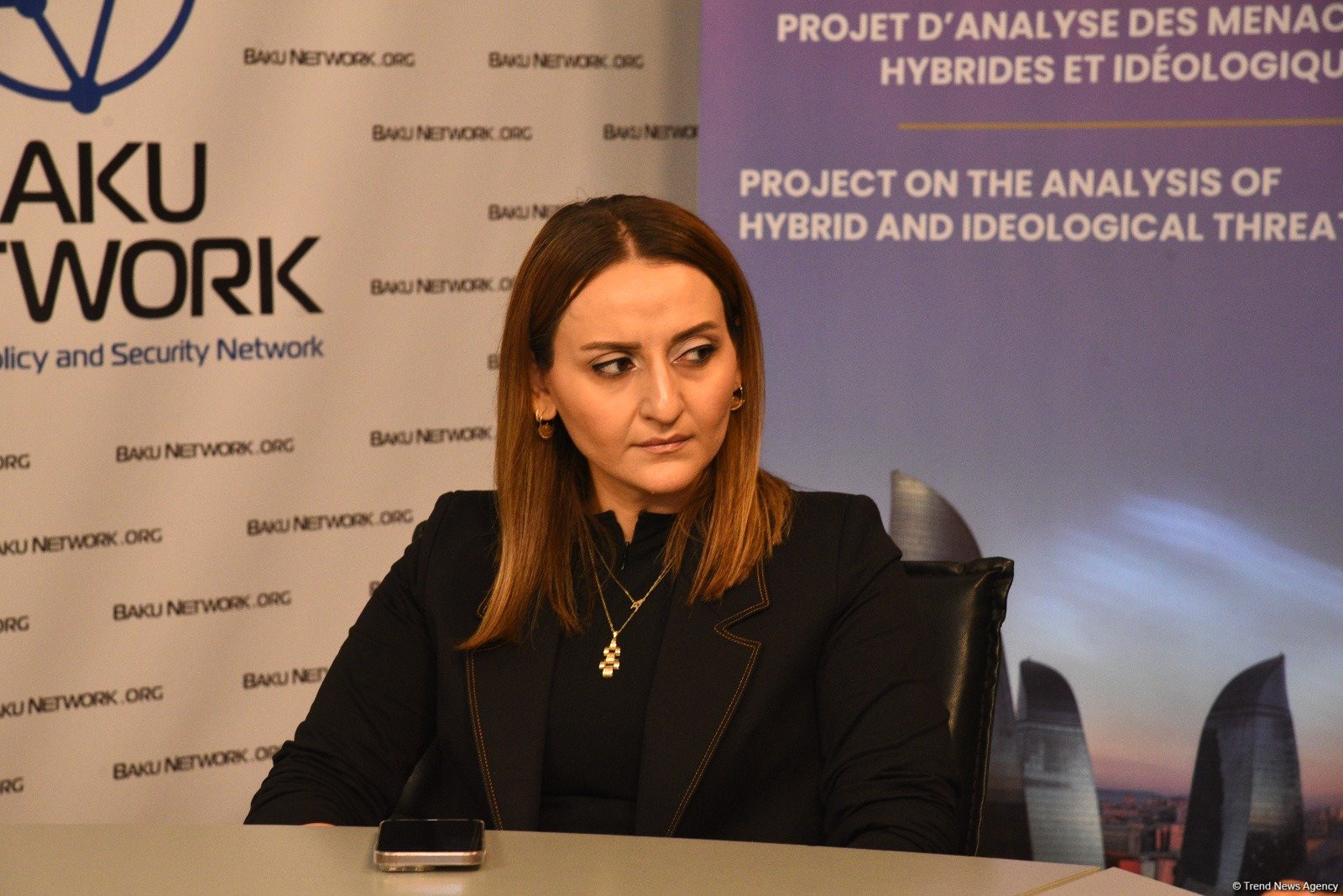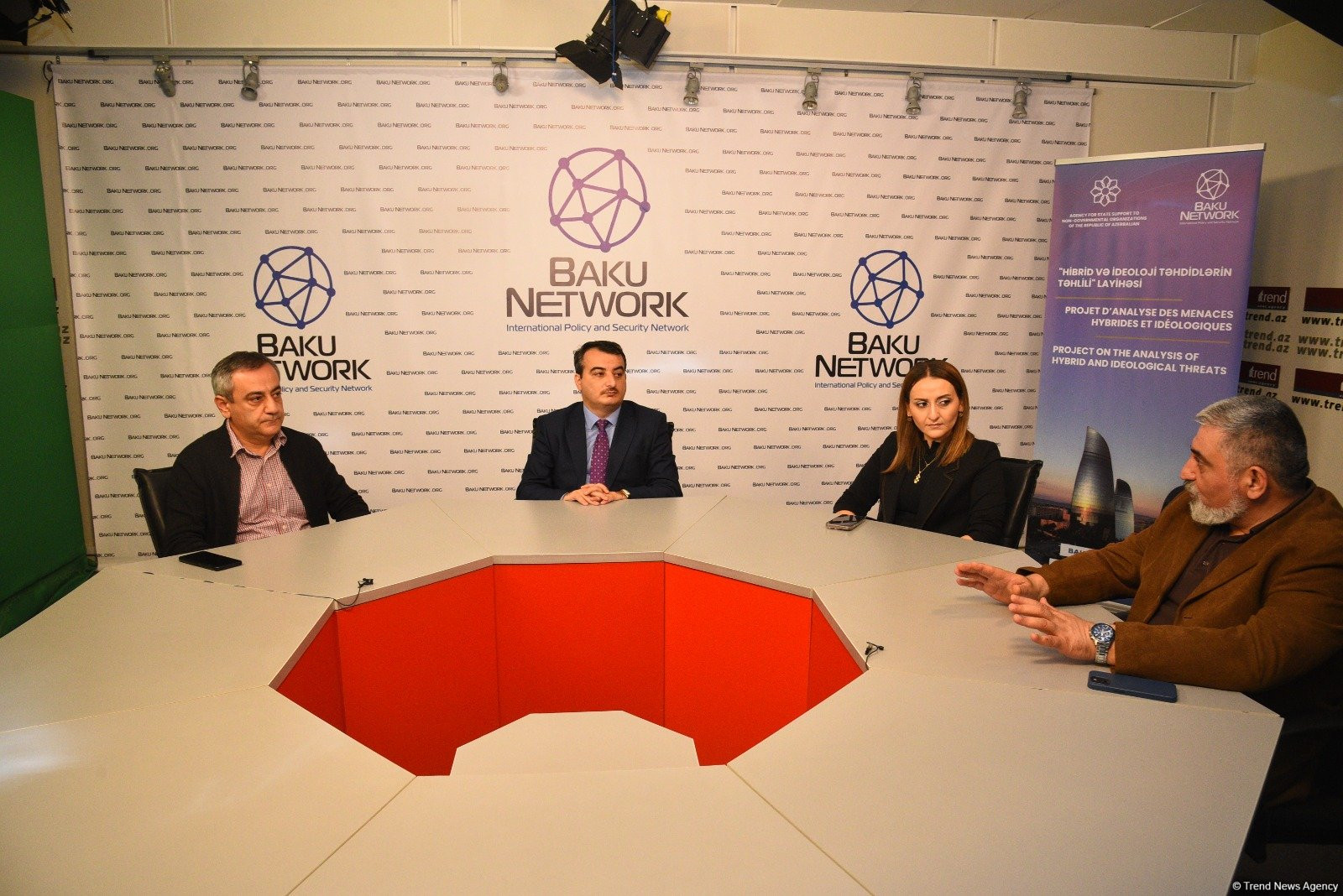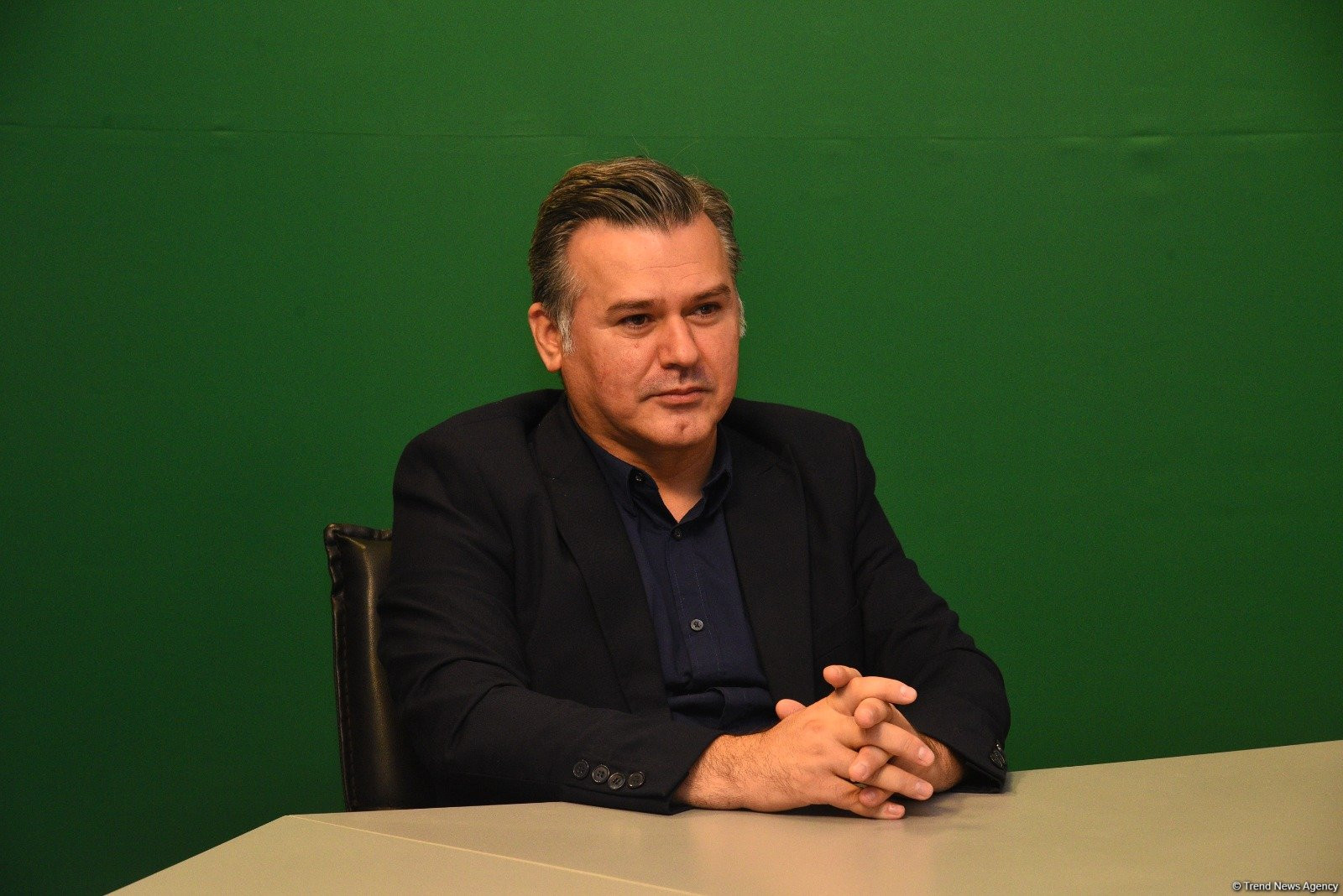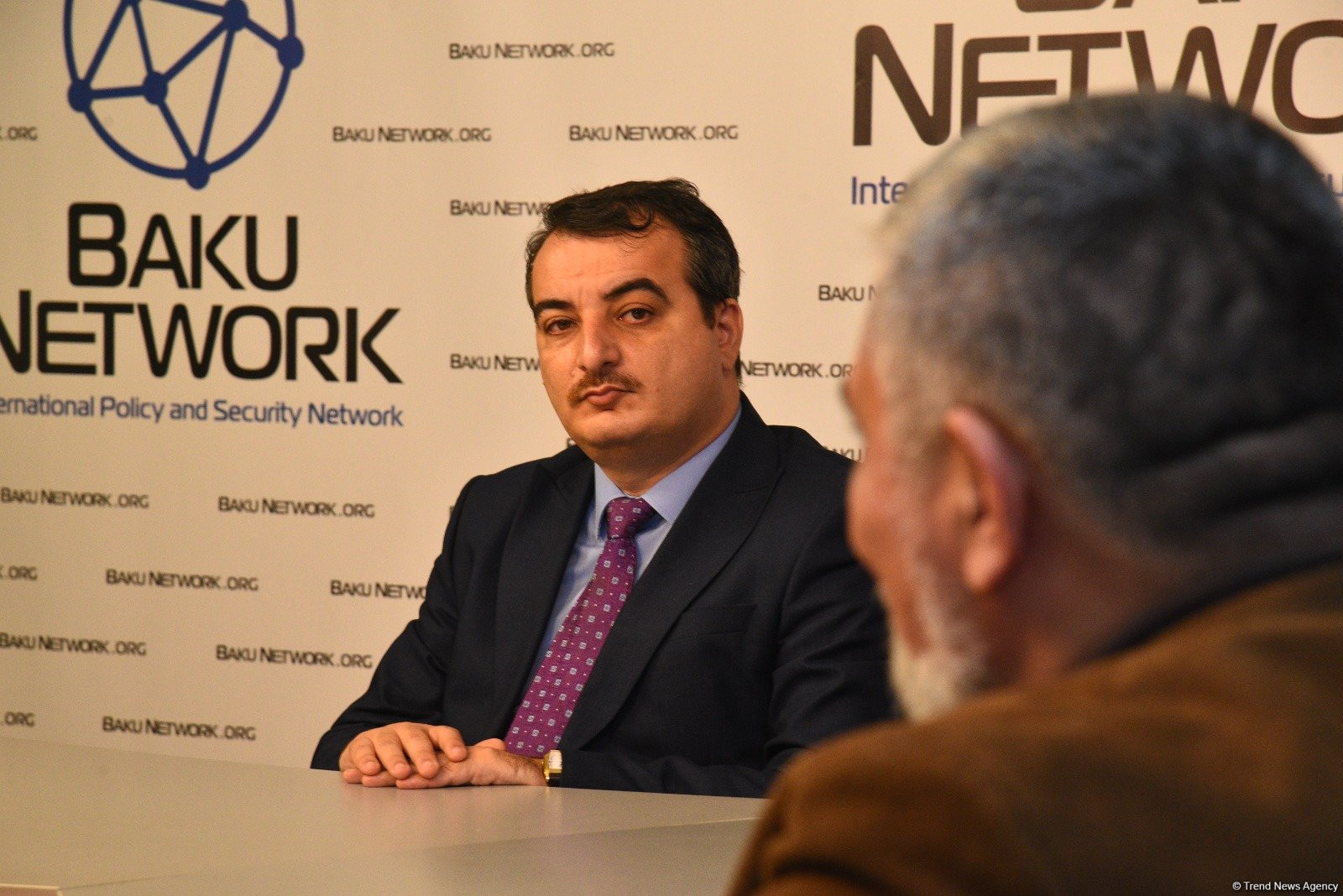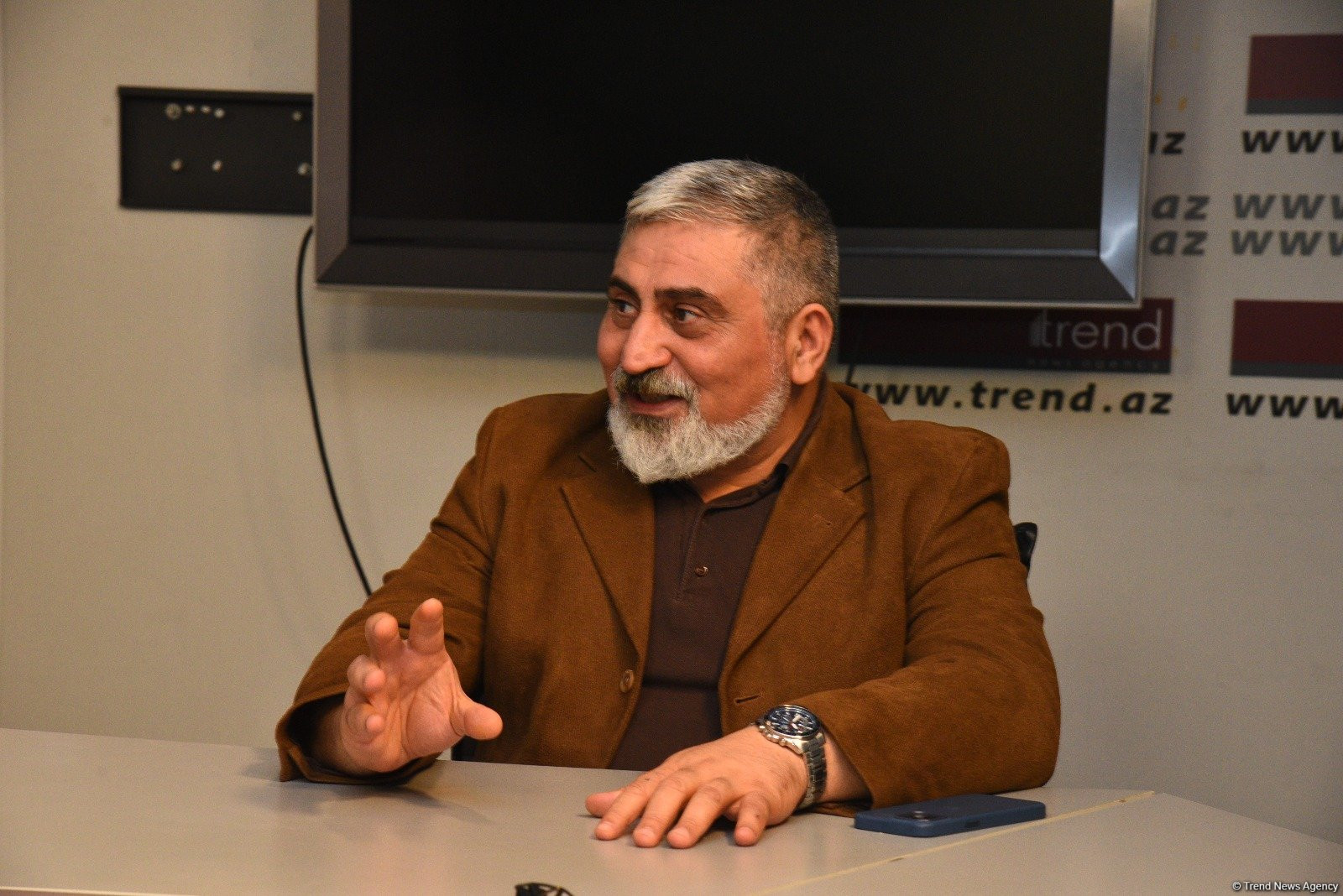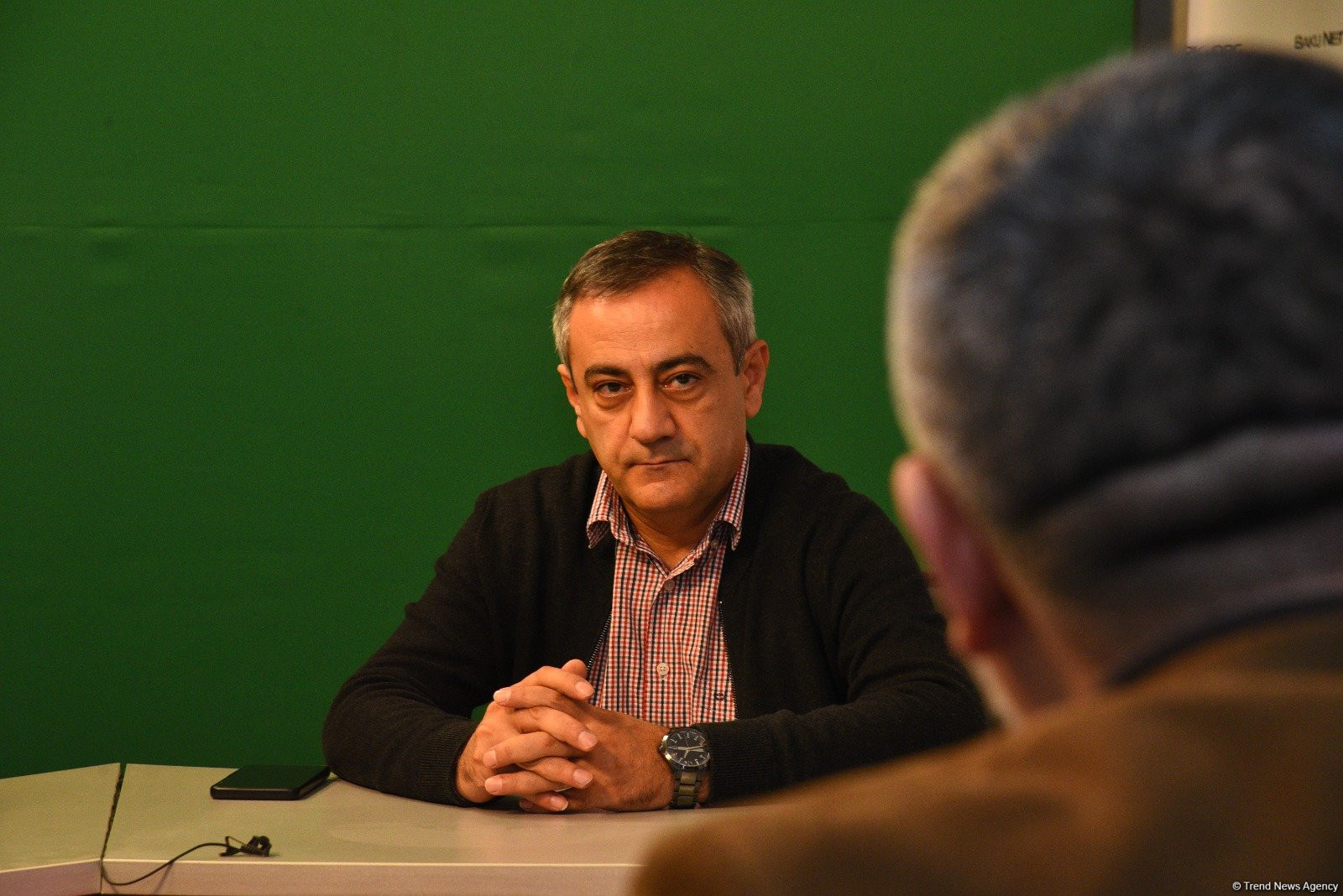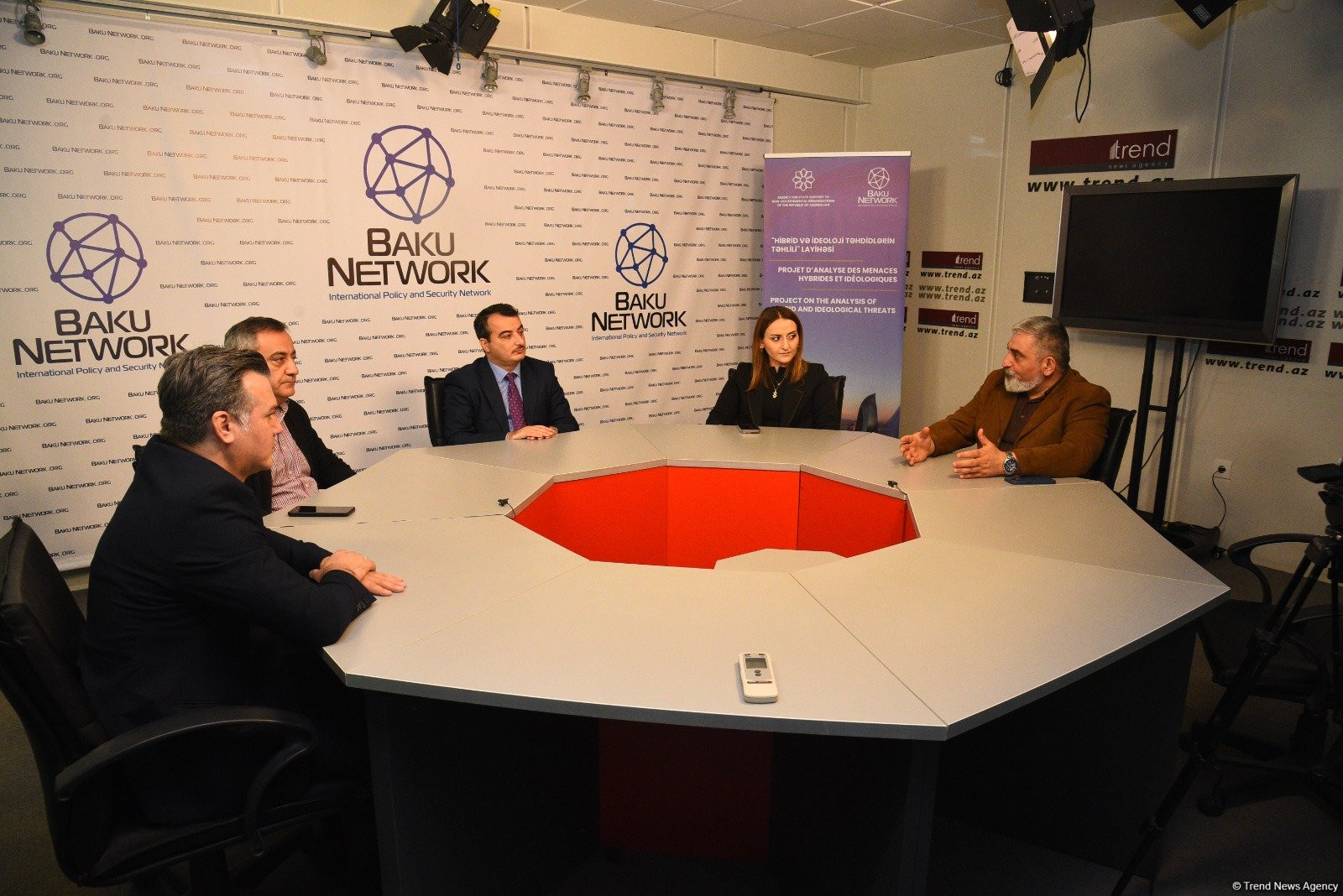
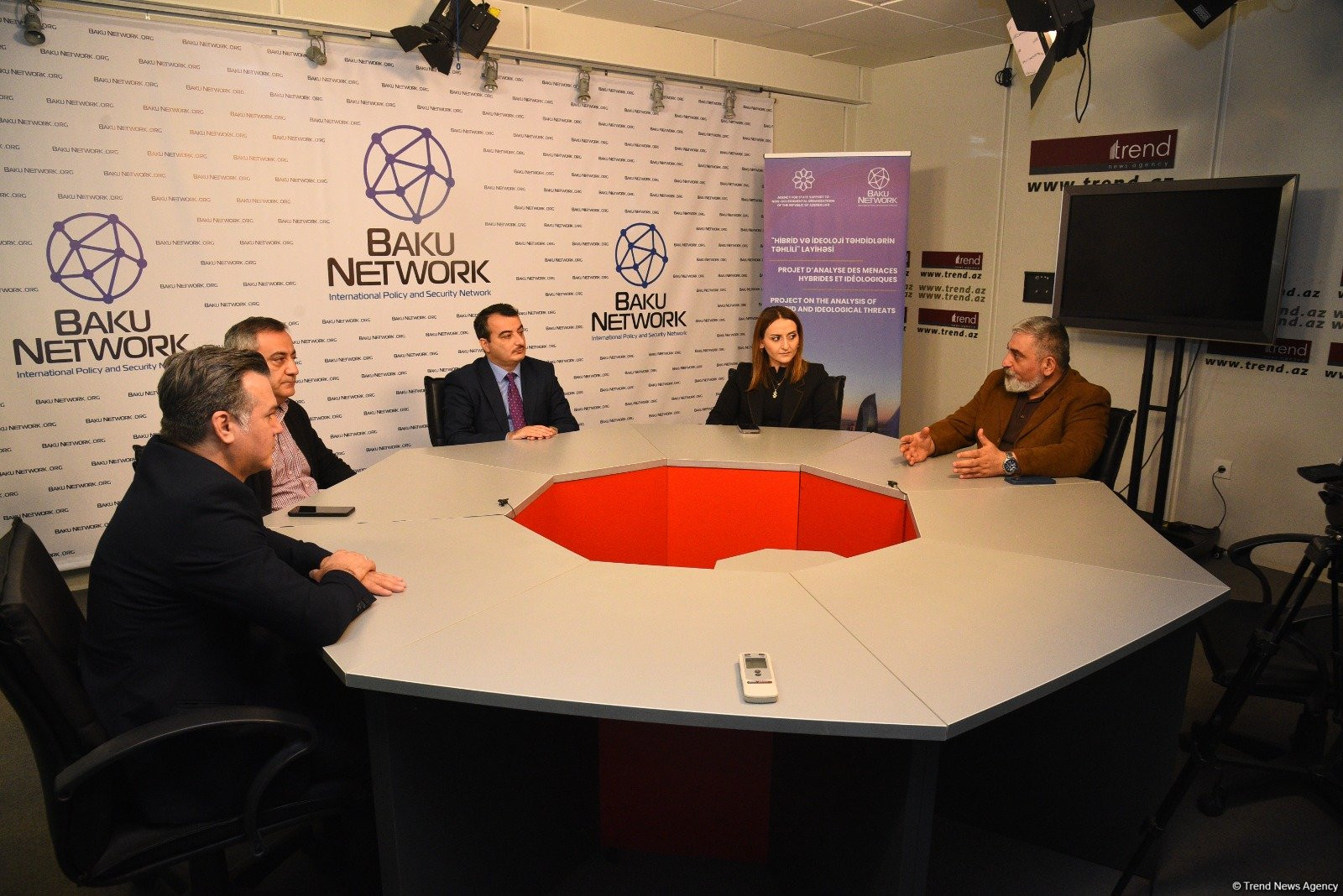
As part of an ongoing initiative to tackle the rising tide of hybrid and ideological threats facing Azerbaijan, the Baku Network think tank hosted another high-level event under the auspices of its government-backed project, “Analyzing Hybrid and Ideological Threats Against Azerbaijan.” Funded by the State Support Agency for Non-Governmental Organizations, the gathering brought together top experts, political analysts, and media professionals to dissect the shifting dynamics of modern-day disinformation warfare.
Moderated by Sahil Karimli—Deputy Director of the Trend International News Agency and Project Director at Baku Network—the discussion spotlighted what many speakers described as a concerted, long-running campaign against Azerbaijan’s sovereignty and international standing.
Hybrid War, Long Before It Had a Name
Karimli set the tone by arguing that the ideological and hybrid attacks on Azerbaijan are not new phenomena—they are, in fact, extensions of historical aggression that trace back to the years of Armenian occupation, through the 44-day war, and into the ongoing post-conflict era. “These threats stem from Azerbaijan’s uncompromising commitment to an independent, nationally-driven foreign policy,” Karimli said. “We’ve never bowed to pressure. Instead, we’ve leaned into offensive diplomacy. That’s what rattles them.”
According to Karimli, the ultimate goal of these campaigns is to erode Azerbaijan’s growing influence on the global stage: “It’s about stripping us of our legitimacy in the eyes of the international community. As a society, we must remain alert and resilient.”
Weaponizing Information in the 21st Century
Ilyas Huseynov, a political analyst from the Center for Social Research, underscored the importance of equipping the Azerbaijani public with basic political literacy. “Sometimes, campaigns against our country gain traction simply because people don’t recognize the ideological scaffolding behind them,” he said. “In today’s world, whoever controls information controls the narrative—and, by extension, wields real power.”
Huseynov warned that failing to counter such narratives risks turning countries into passive players in their own geopolitical destinies. “We must view information not just as data, but as a strategic asset,” he added.
Targeting the Next Generation
Political commentator and Baku State University lecturer Ayten Gurbanova turned the spotlight to youth. “We’ve seen concerted efforts to influence our young people—efforts cloaked in integration rhetoric but designed to implant foreign ideologies that don’t align with our cultural fabric,” she said. Gurbanova argued that the post-war period has been particularly rife with attempts to sow ideological divisions and normalize radical worldviews.
“In a globalized world where young people are constantly exposed to competing ideologies, our traditional values are under pressure,” she said. “But that also makes our youth a prime target. The battle is now for their minds.”
The Threat Is Global, the Stakes Are Local
Middle East expert Rufiz Hafizoglu echoed those concerns, emphasizing that the notion of hybrid warfare is neither novel nor limited to Azerbaijan. “This isn’t just about geopolitics—it’s ideological,” he said. “We’re dealing with well-organized, ideologically driven entities, some religious, some political, that are trying to infiltrate not just Azerbaijan, but the entire region.”
Bridging the Gap Between Academia and the Public
Baku Network’s director Elchin Agacanov positioned the think tank as a critical actor in this ideological battlefield. “We are the only non-governmental resource in Azerbaijan conducting high-level academic analysis daily and publishing in six languages,” he said, adding that a Chinese-language edition would soon be launched. “This isn’t AI-driven. These are professional translators. That’s how seriously we take our work.”
Agacanov called for systemic change at home to bolster the nation’s intellectual defenses: “If we want to fight hybrid warfare effectively, we must elevate the status of teachers and scholars. They should be among the most respected and well-compensated professions in society. A country that neglects its academics is a country unprepared for this kind of war.”
The Bigger Picture
The event is part of a broader project running from May to August 2025, engaging international experts and institutions to identify, analyze, and counteract psychological and media-based attacks on Azerbaijan’s sovereignty. The ultimate objective: to establish a coherent national strategy to neutralize hybrid threats—whether they take the form of disinformation, ideological manipulation, or media-driven smear campaigns.
In the information age, the battle for hearts and minds is as critical as any fought on the ground. And in Baku, strategists are already planning their next move.
This discussion was held as part of the “Analyzing Hybrid and Ideological Threats Against Azerbaijan” project, implemented by the Baku Network think tank with support from the State Support Agency for Non-Governmental Organizations of the Republic of Azerbaijan.