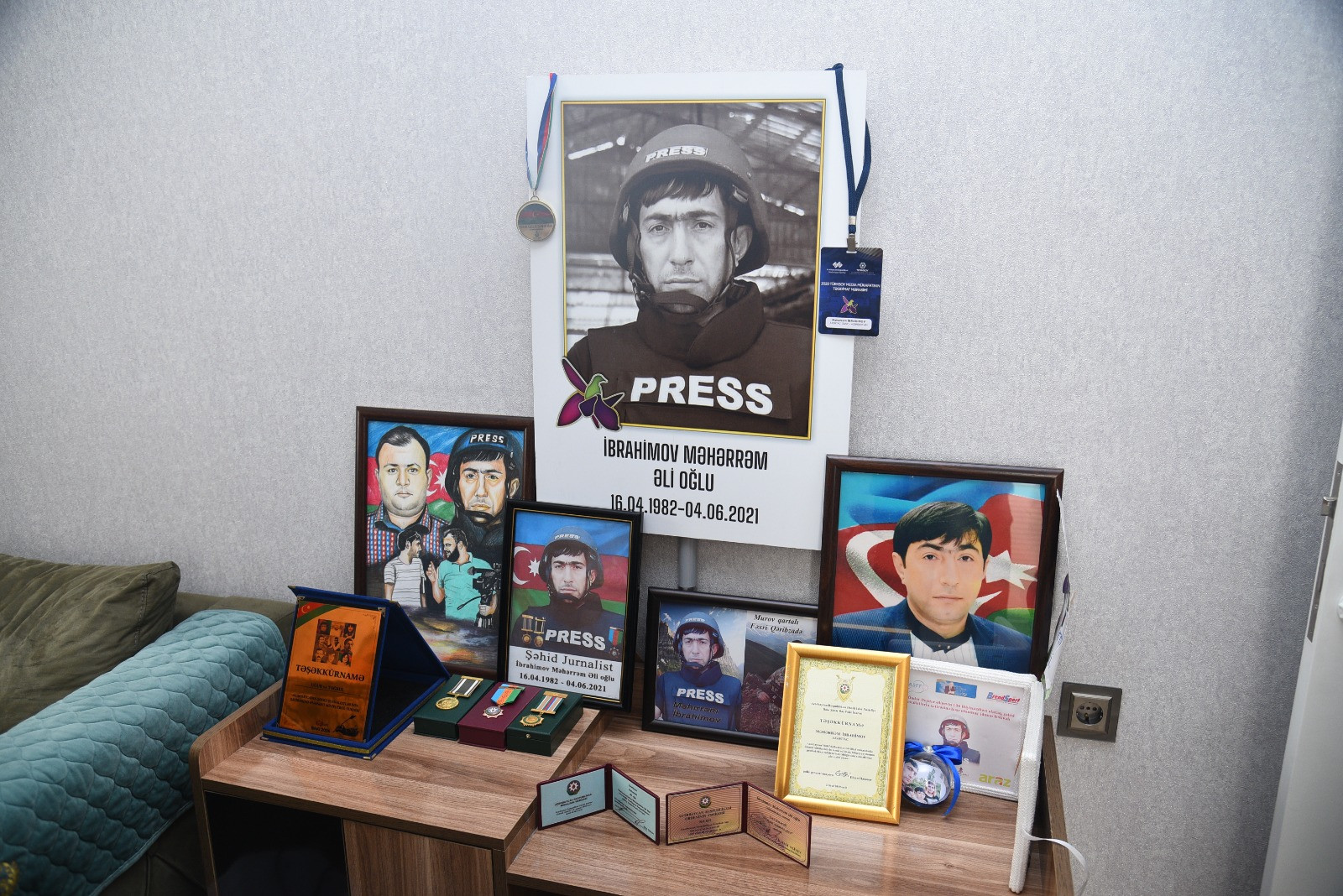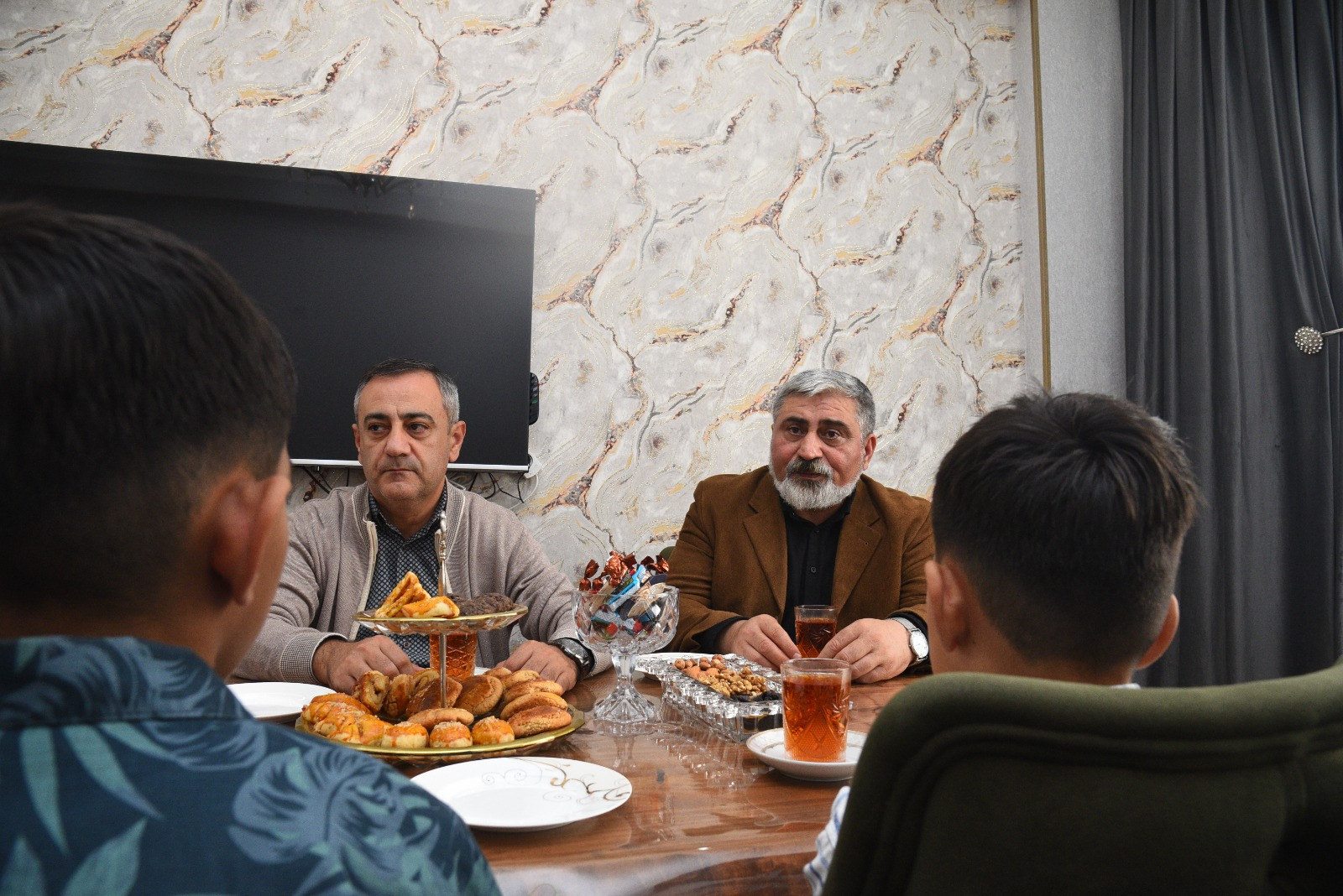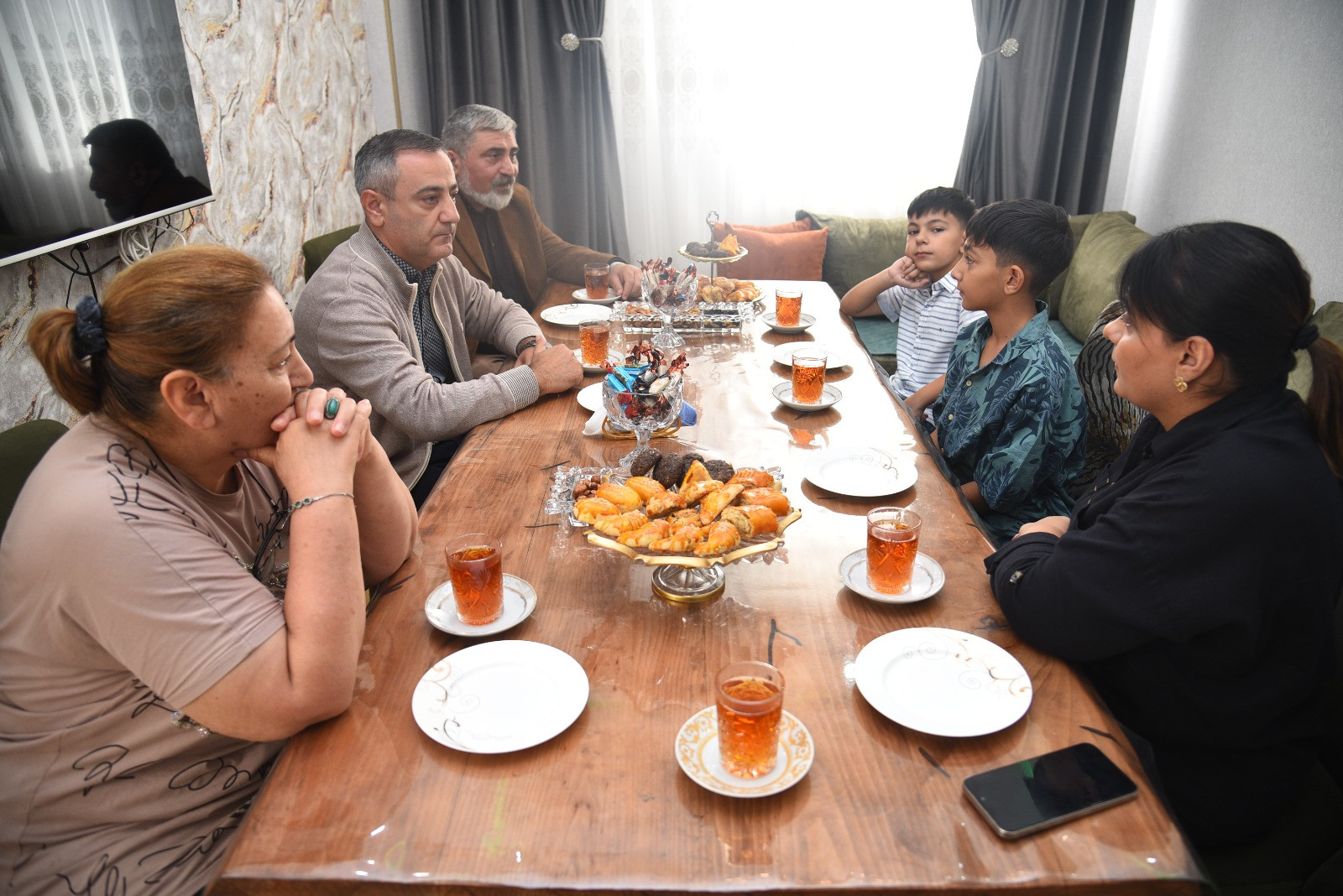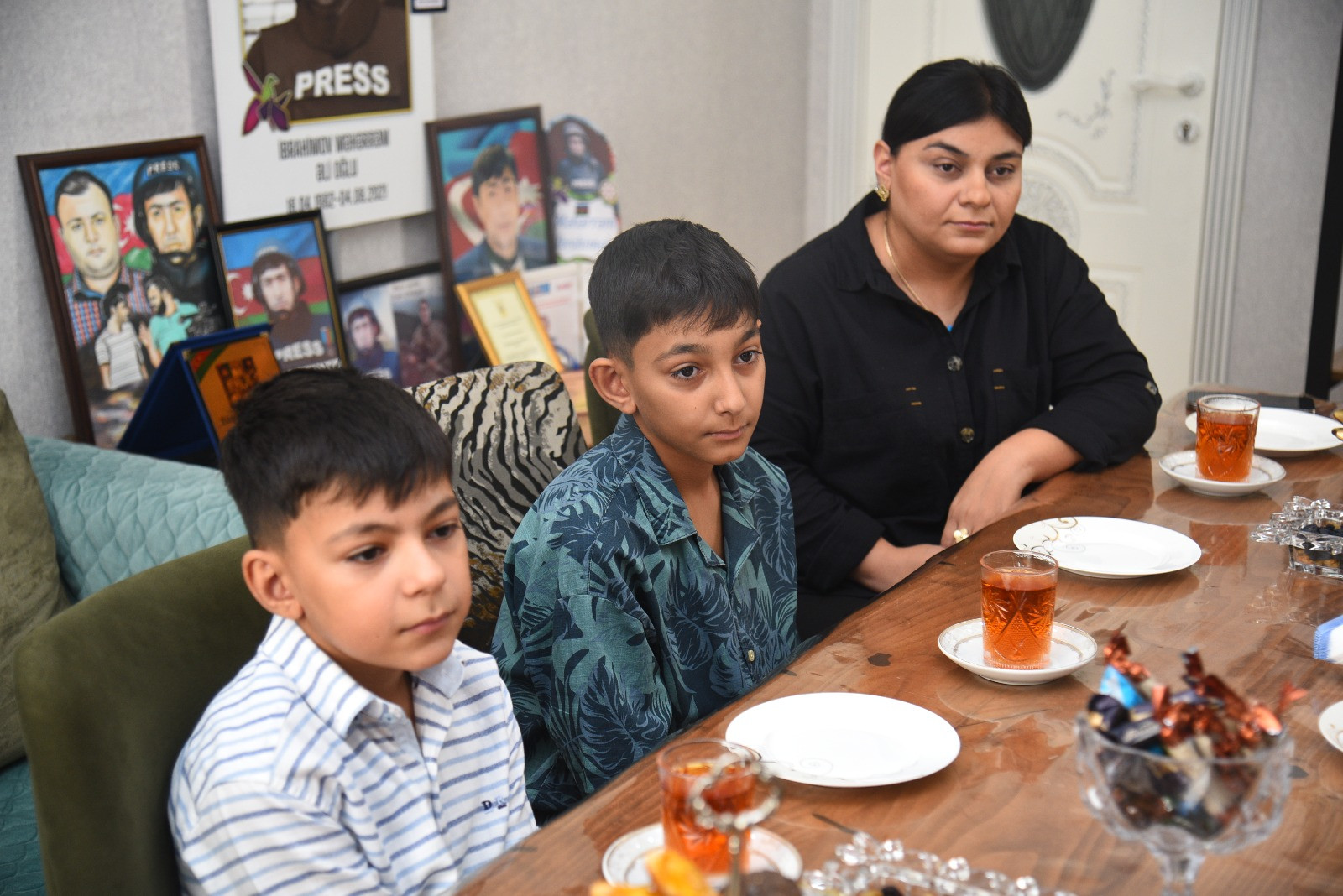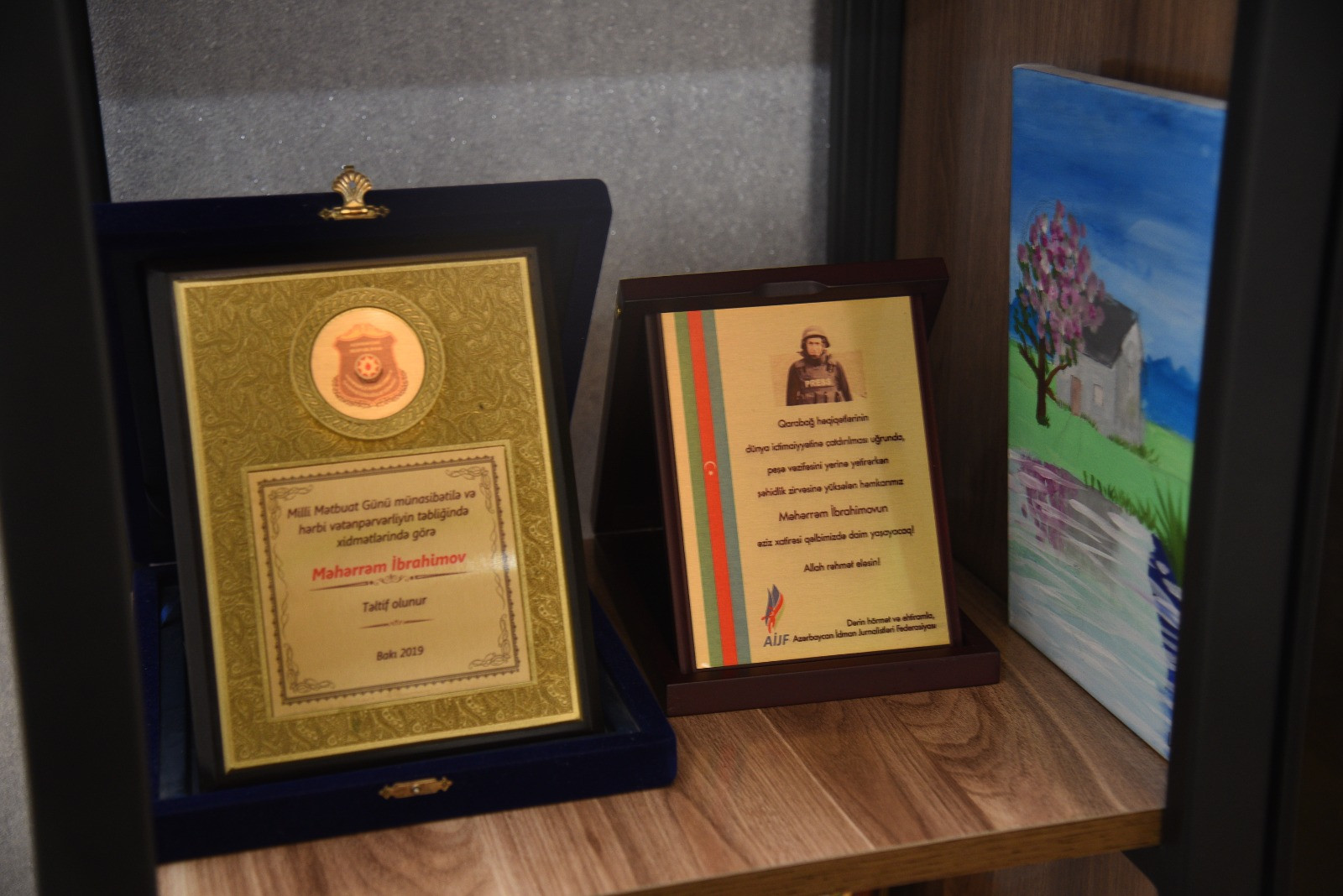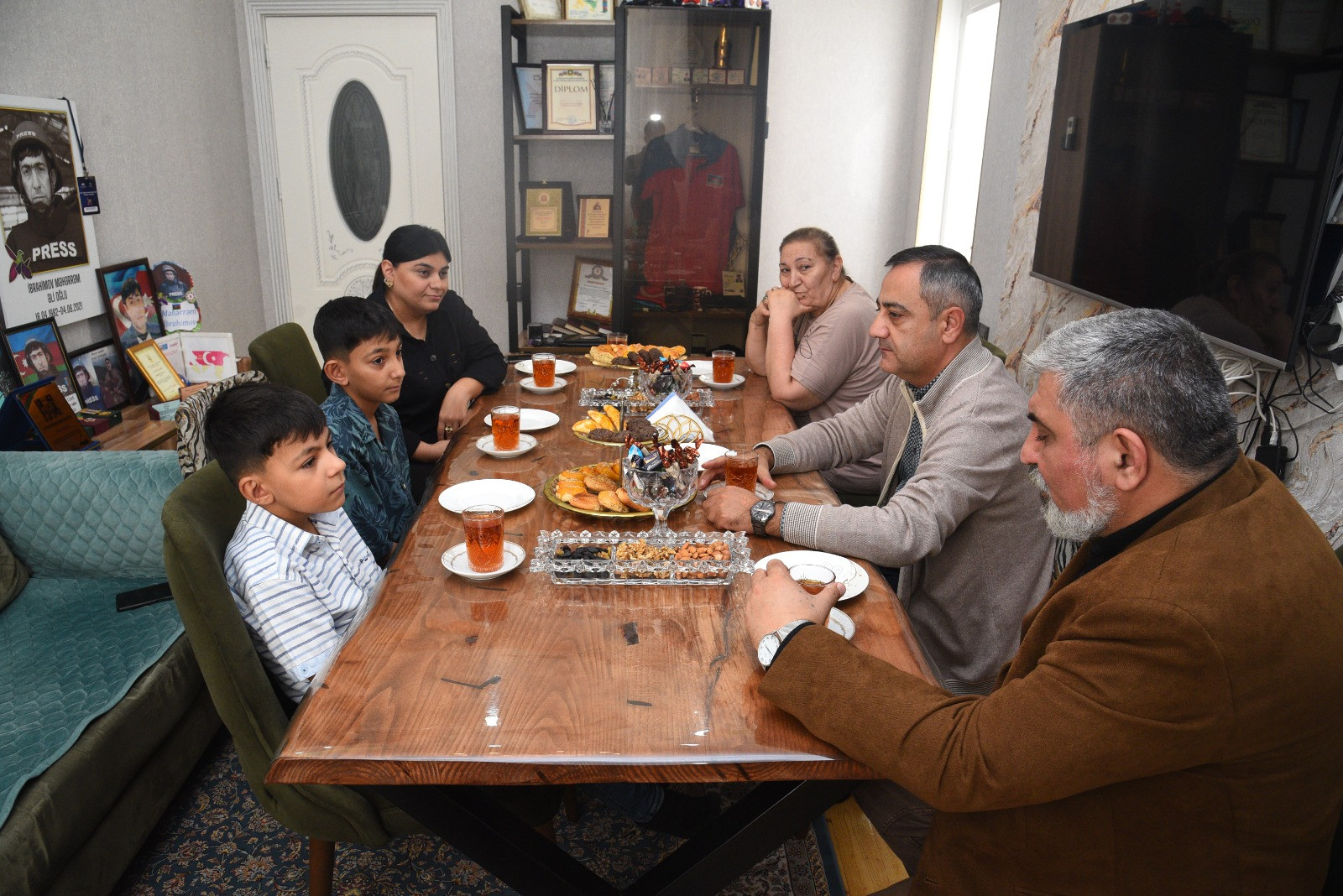
The team behind the Baku Network Research and Analysis Society recently paid a visit to the family of slain journalist Maharram Ibrahimov, who was killed while reporting in a formerly occupied region of Azerbaijan.
The visit was part of an ongoing initiative to commemorate journalists who lost their lives to Armenian aggression—what Azerbaijani officials call acts of terror carried out during decades of conflict over Nagorno-Karabakh.
Remembering a Voice Silenced by War
“We’ve launched several initiatives to honor the memory of our fallen journalists,” said Elchin Agacanov, who leads the Baku Network. “And we’re not stopping anytime soon.”
He pointed to a memorial event held this past July in Paris, organized with support from Azerbaijan’s State Agency for Support to NGOs. The event included a photo exhibition and attracted a wide range of attendees—French politicians, European media figures, and public intellectuals. Leaflets were handed out with a clear message: the world must reckon with Armenian war crimes, and Azerbaijan’s fight for justice must not be ignored.
Journalists as Civilian Targets
“These were not just casualties of war,” added Sahil Kerimli, the project director. “They were civilians—journalists—executing their professional duty when they were killed. That makes it all the more egregious.”
Kerimli said Azerbaijan has consistently tried to expose what it calls systematic targeting of civilians by Armenian forces during both the First Karabakh War and the 2020 conflict. “By keeping their stories alive, we’re exposing the truth to the world,” he said.
A Family Forever Changed
For Bahar Ibrahimova, Maharram’s widow, the pain is still raw. “He was a patriot, but also a family man,” she said. “He loved his kids deeply and was always close to them, more like a friend than a father.”
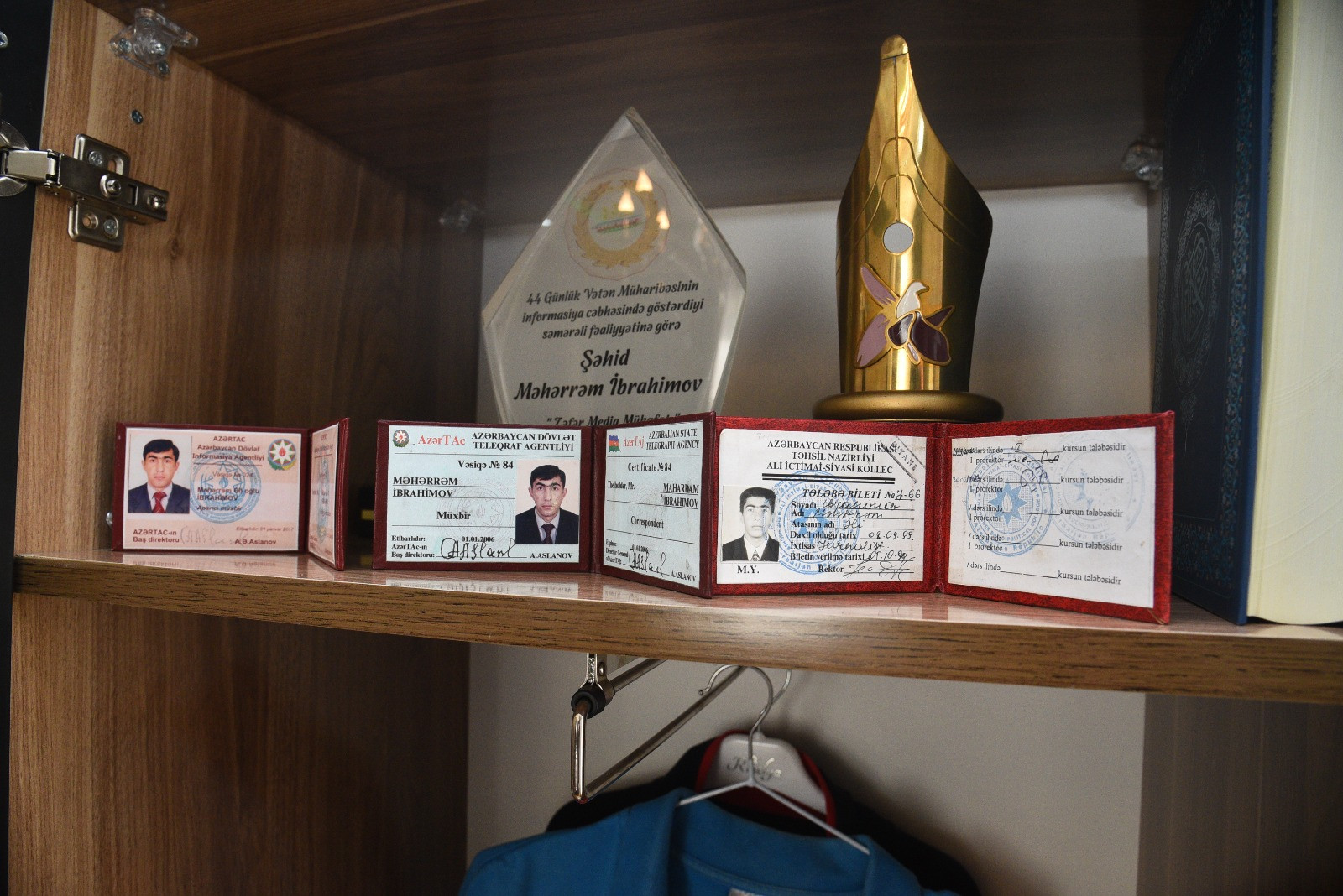
Maharram had spent nearly two decades in journalism, often reporting from frontline areas. During the 44-day war in 2020, he was stationed in Ganja. After Azerbaijan regained control of its territories, he stayed in the region to document the aftermath—shooting footage of the destruction left behind. That’s when a landmine ended his life.
“We told him over and over that the kids couldn’t be without him,” Bahar said. “But he’d just smile and say, ‘This is my duty. I have to do it.’”
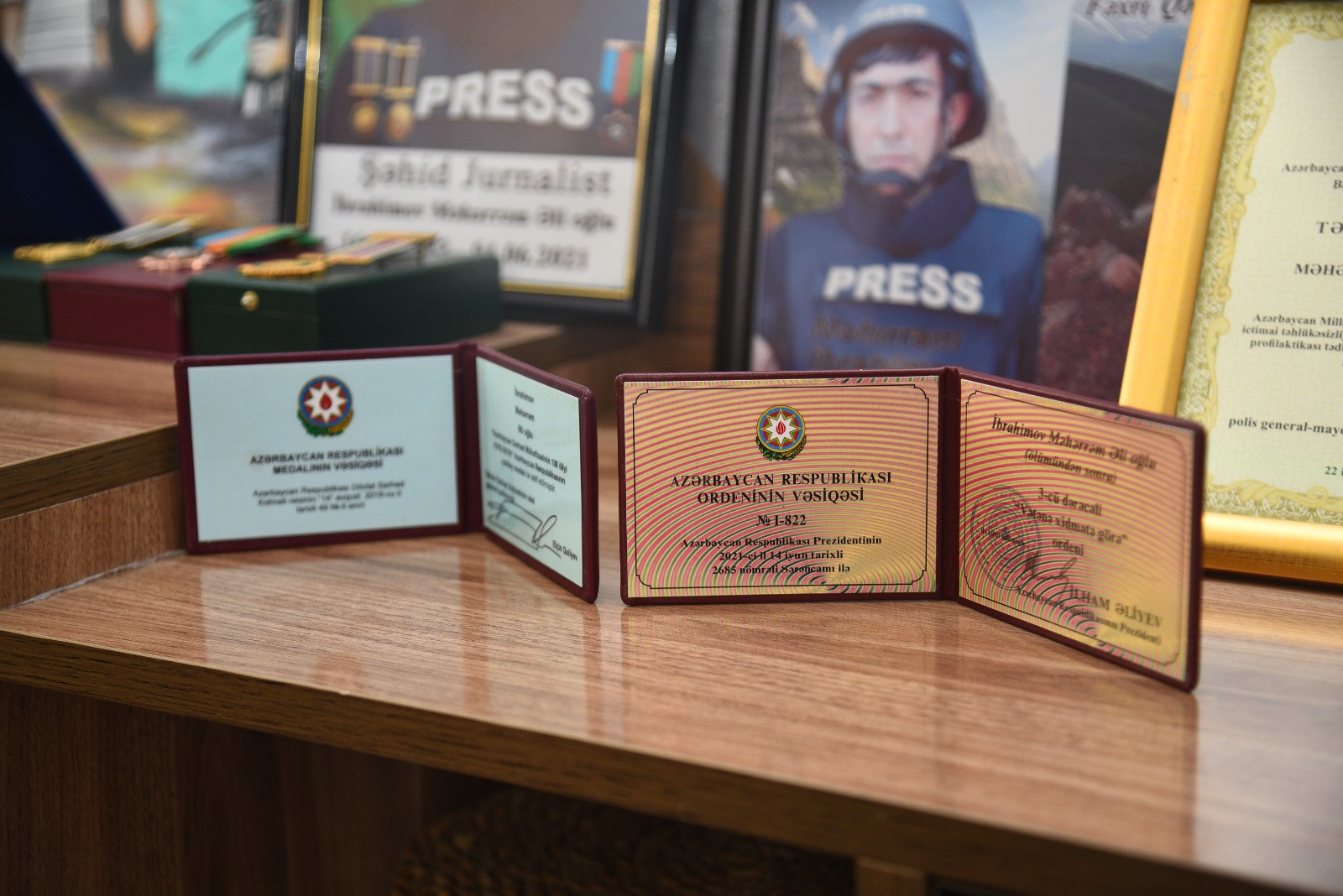
She expressed gratitude to President Ilham Aliyev, citing the government’s consistent support for families of the fallen. “It brings us comfort to see Maharram and his colleagues remembered so often. They were journalists. They should have been protected. The world must see this injustice.”
“My Father Was a Hero”
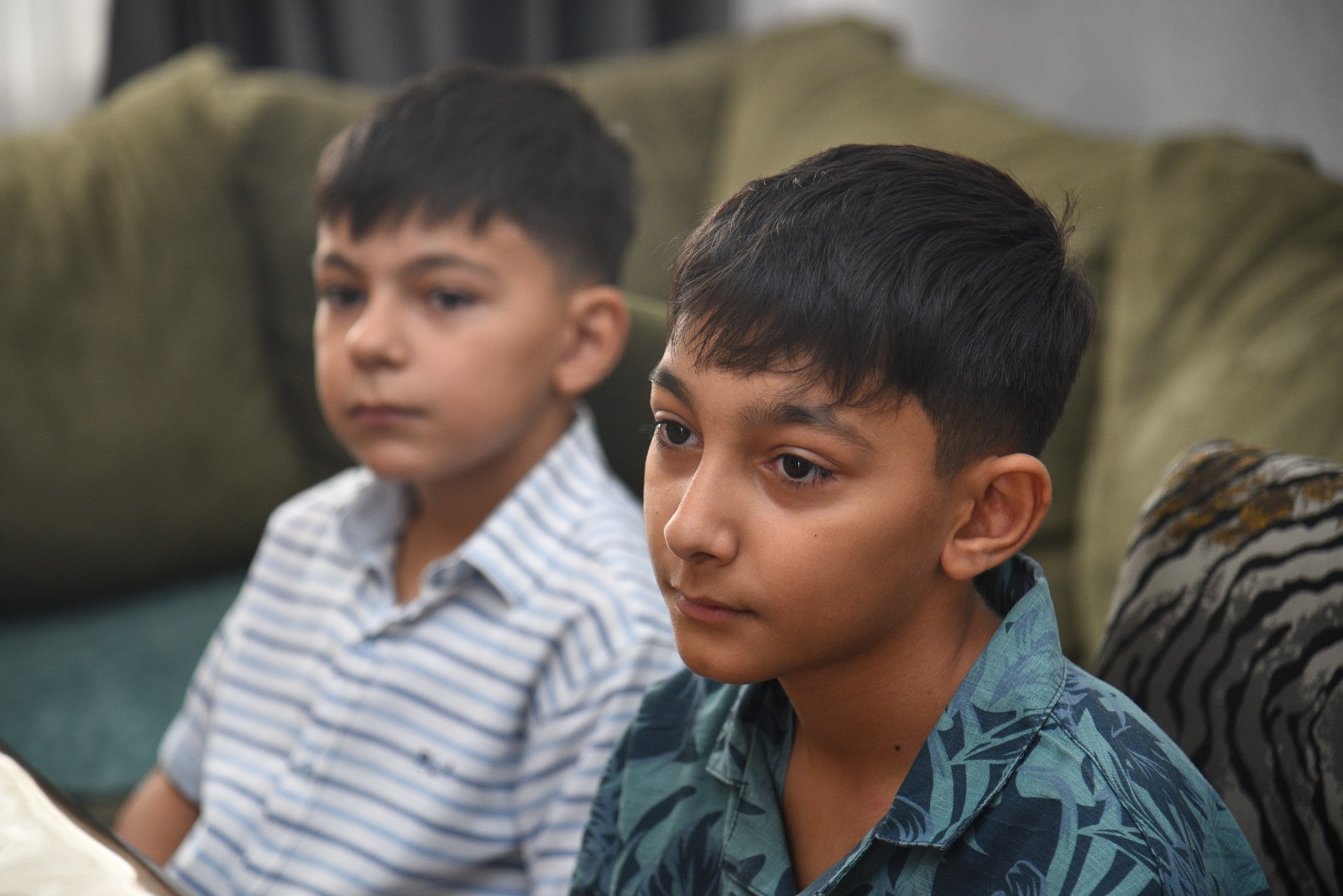
Their son, Ughur, spoke of pride mixed with grief. “He gave his life for his country,” he said. “He was kind, selfless—always ready to help a friend. We didn’t get to spend much time together because of his work, but when he was home, he made us laugh and played games with us.”
The Ibrahimov family thanked the Baku Network for keeping the memory of Maharram and other fallen journalists alive through regular commemorations and public outreach.
The Incident That Took His Life
On June 4, 2021, at around 11 a.m., a KamAZ vehicle transporting a group of journalists struck an anti-tank mine near the village of Susuzlug in the Kelbajar region—an area recently liberated from Armenian occupation. The blast killed Maharram Ibrahimov, Siraj Abishov, a cameraman for Azerbaijan Television, and Arif Aliyev, a local government official.
A video report from the Ibrahimov home captures the quiet grief—and lasting pride—of a family that lost a husband, a father, and a voice committed to telling the truth.