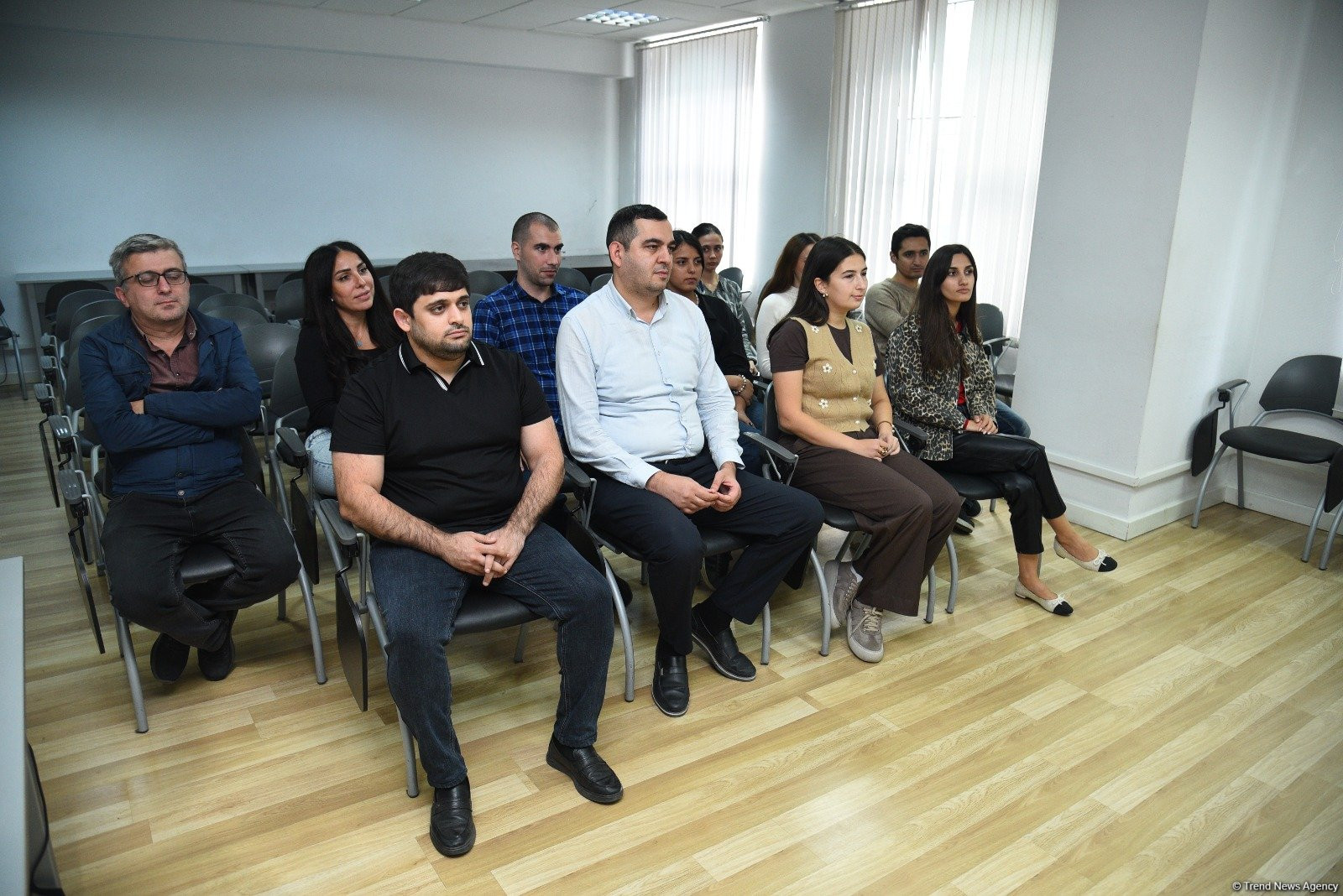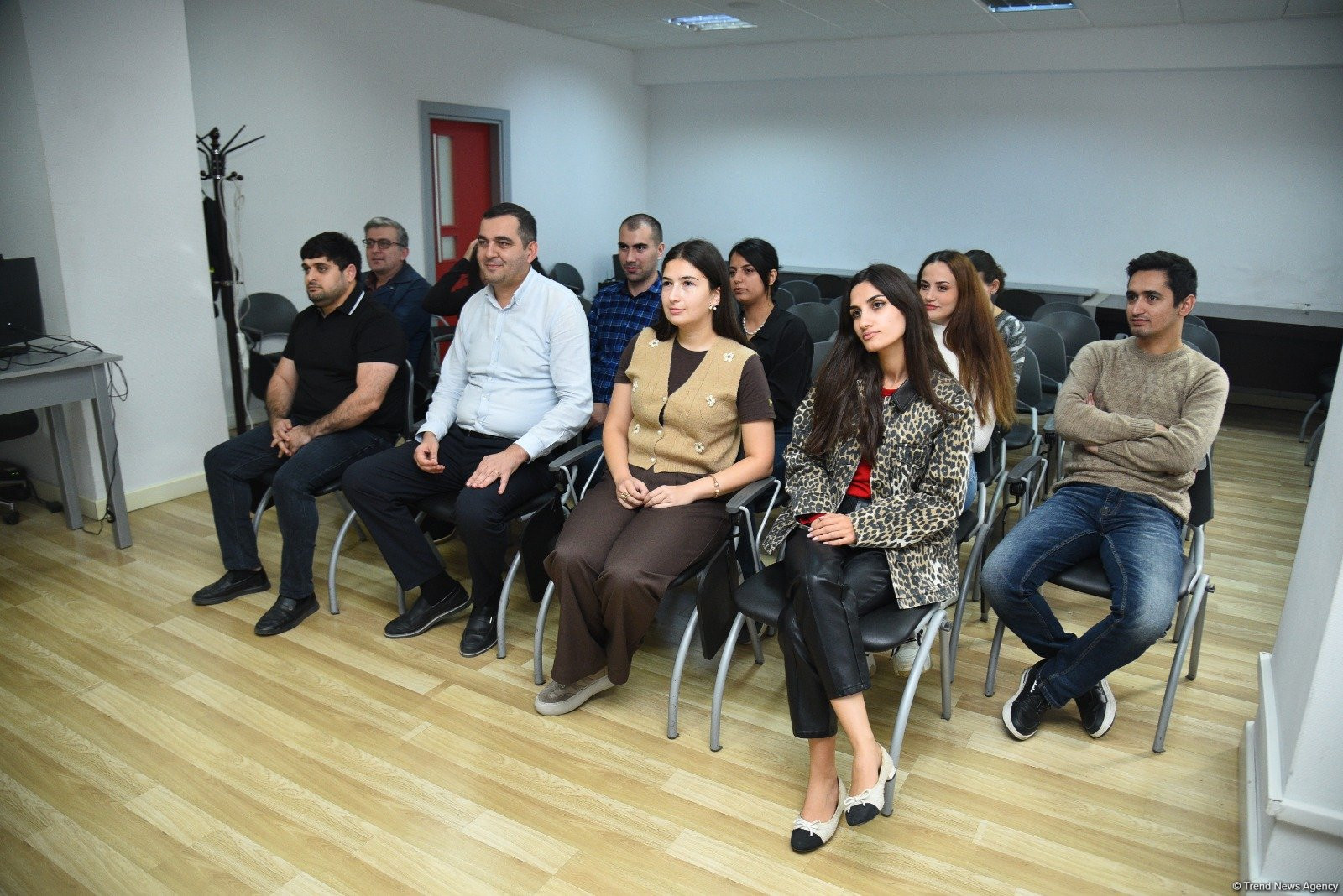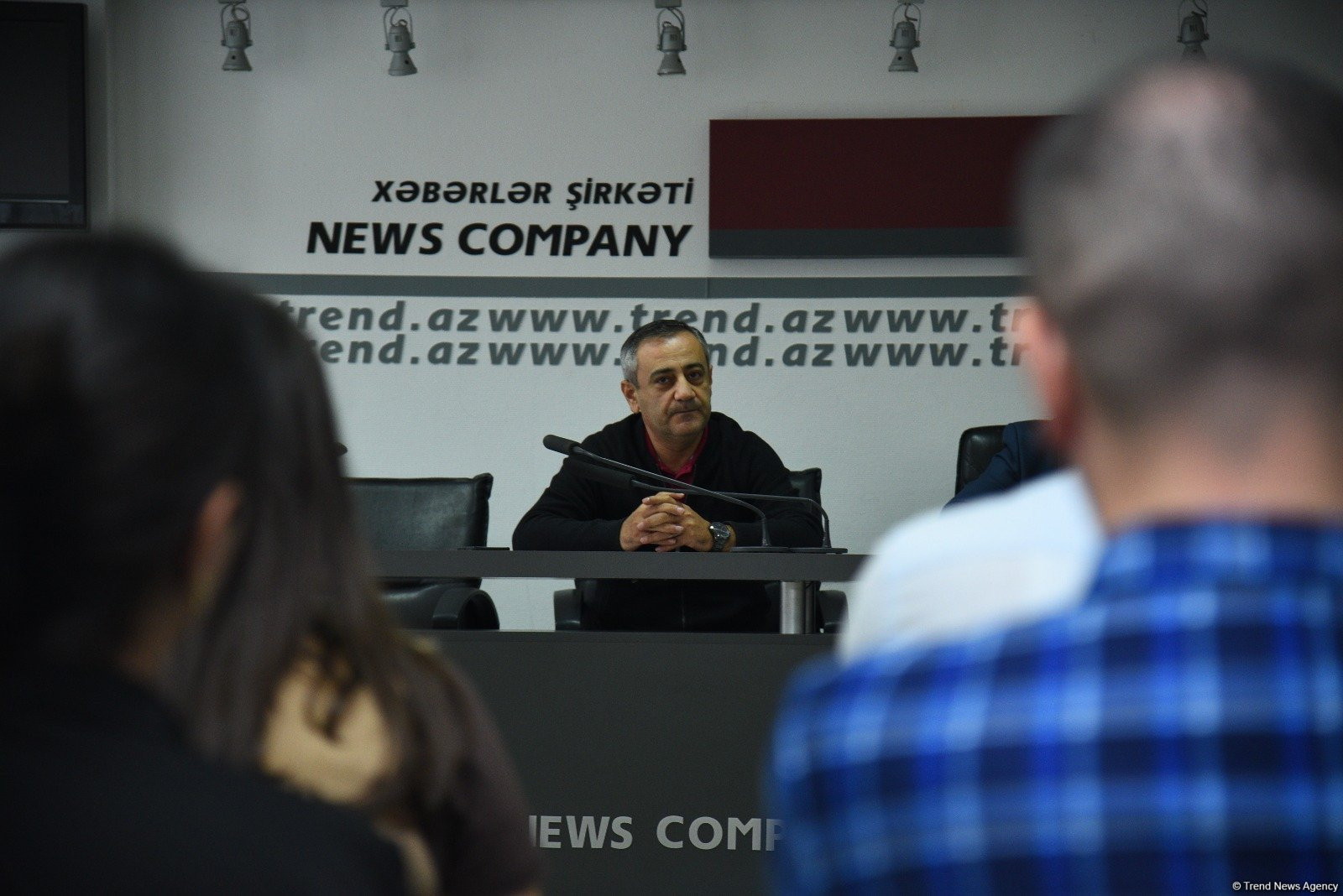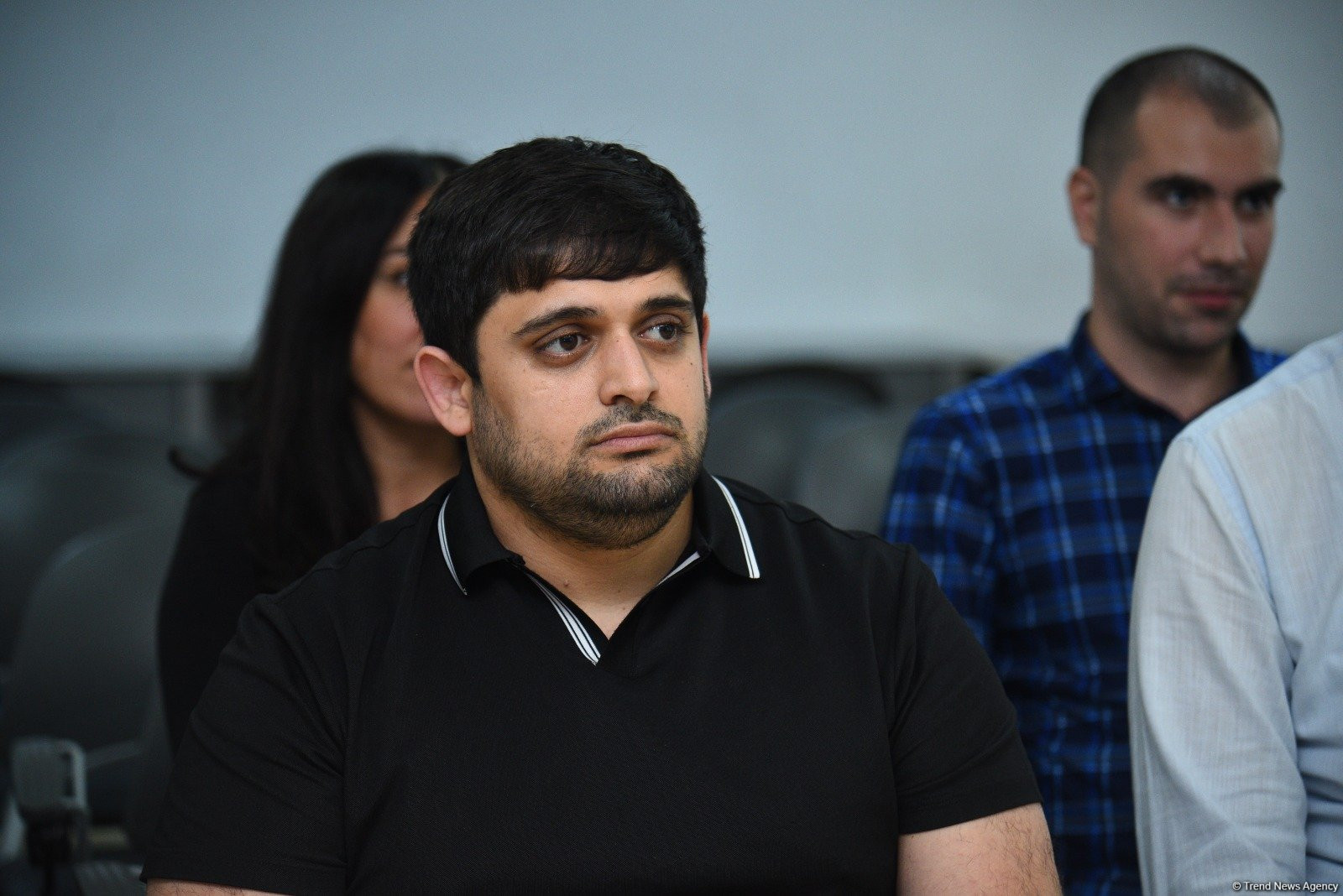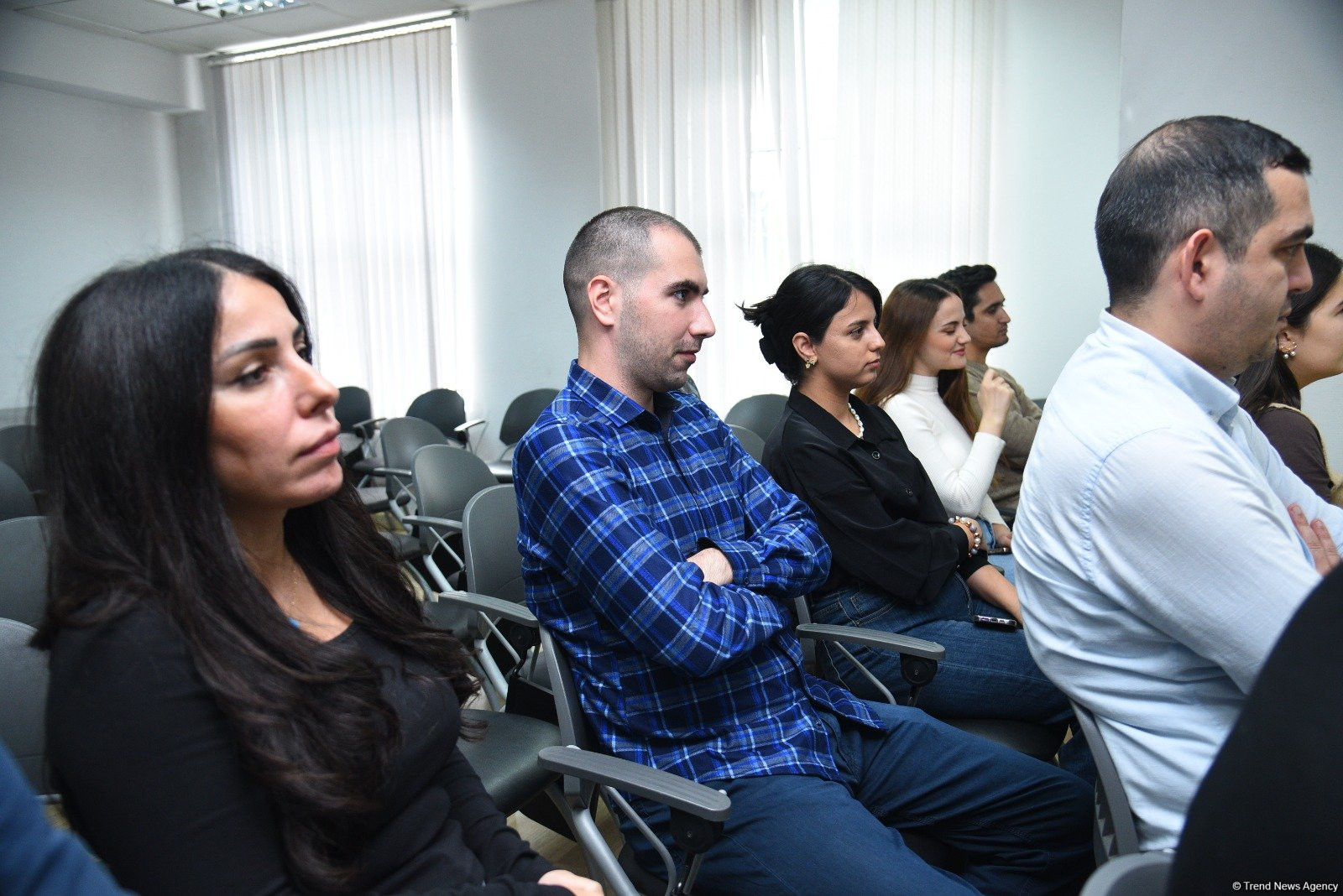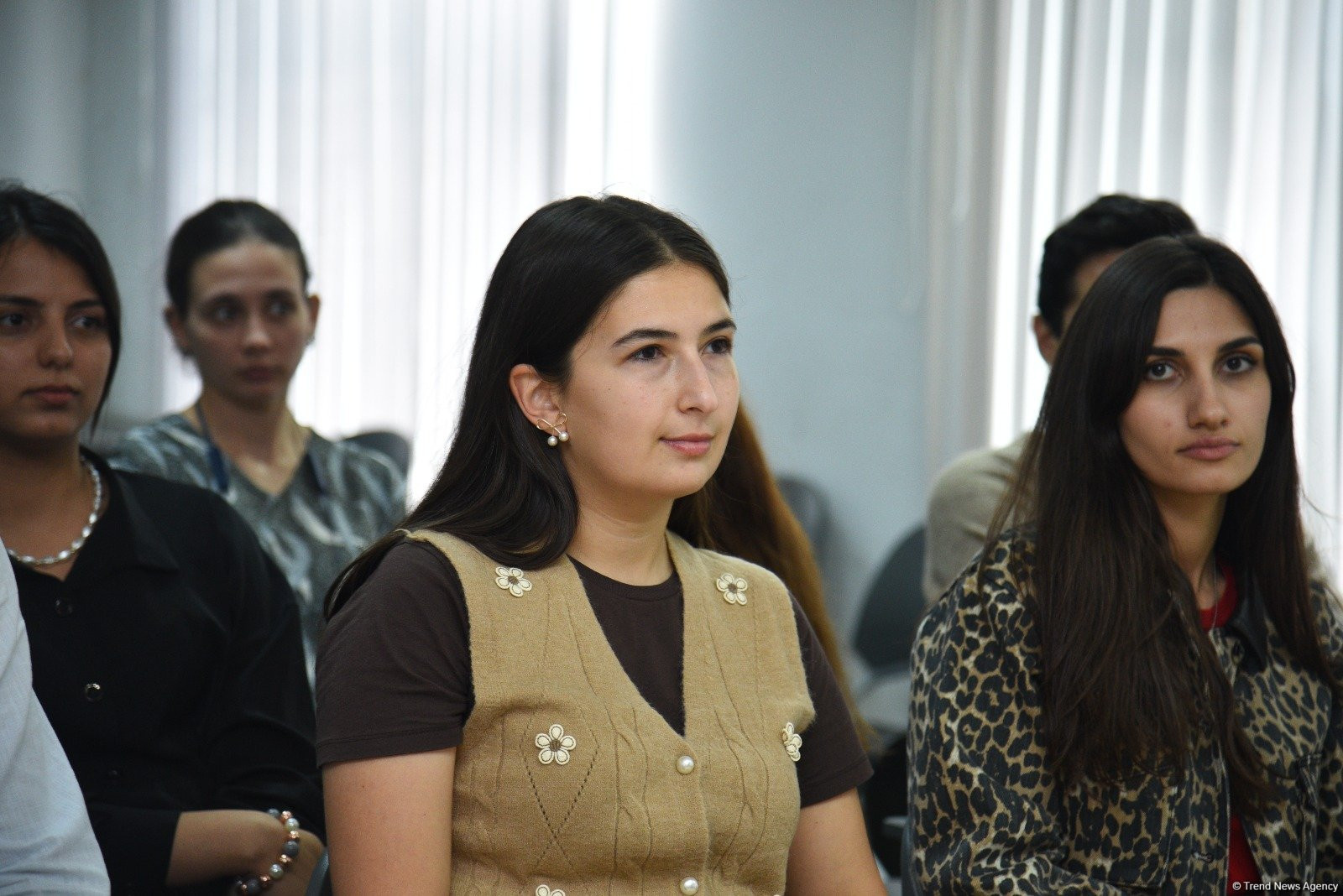

A new roundtable in Baku has drawn attention to the evolving nature of external threats facing Azerbaijan—not on the battlefield, but in the realm of narratives, misinformation, and ideological subversion.
Held under the auspices of the “Baku Network” Research and Analysis Public Union and backed by the State Support Agency for Non-Governmental Organizations, the latest event in the series titled “Analyzing Hybrid and Ideological Threats Against Azerbaijan” brought together experts and civil society leaders to strategize against what they describe as a targeted campaign of disinformation and destabilization.
Sahil Karimli, the project director, made it clear that Azerbaijan is no stranger to multi-pronged threats. “We’ve seen military, political, hybrid, and ideological pressures—especially during the occupation of our territories,” he noted. “These threats have always aimed squarely at our independence and national interests.”
Karimli underscored the intensified wave of ideological and hybrid attacks during the 44-day Patriotic War, adding that the Azerbaijani people stood firm like a wall against those efforts. “Now, every citizen must do their part to stand guard,” he said. “Tracking the sources and dismantling the networks behind these threats isn’t just the job of the government—it’s a national responsibility.”
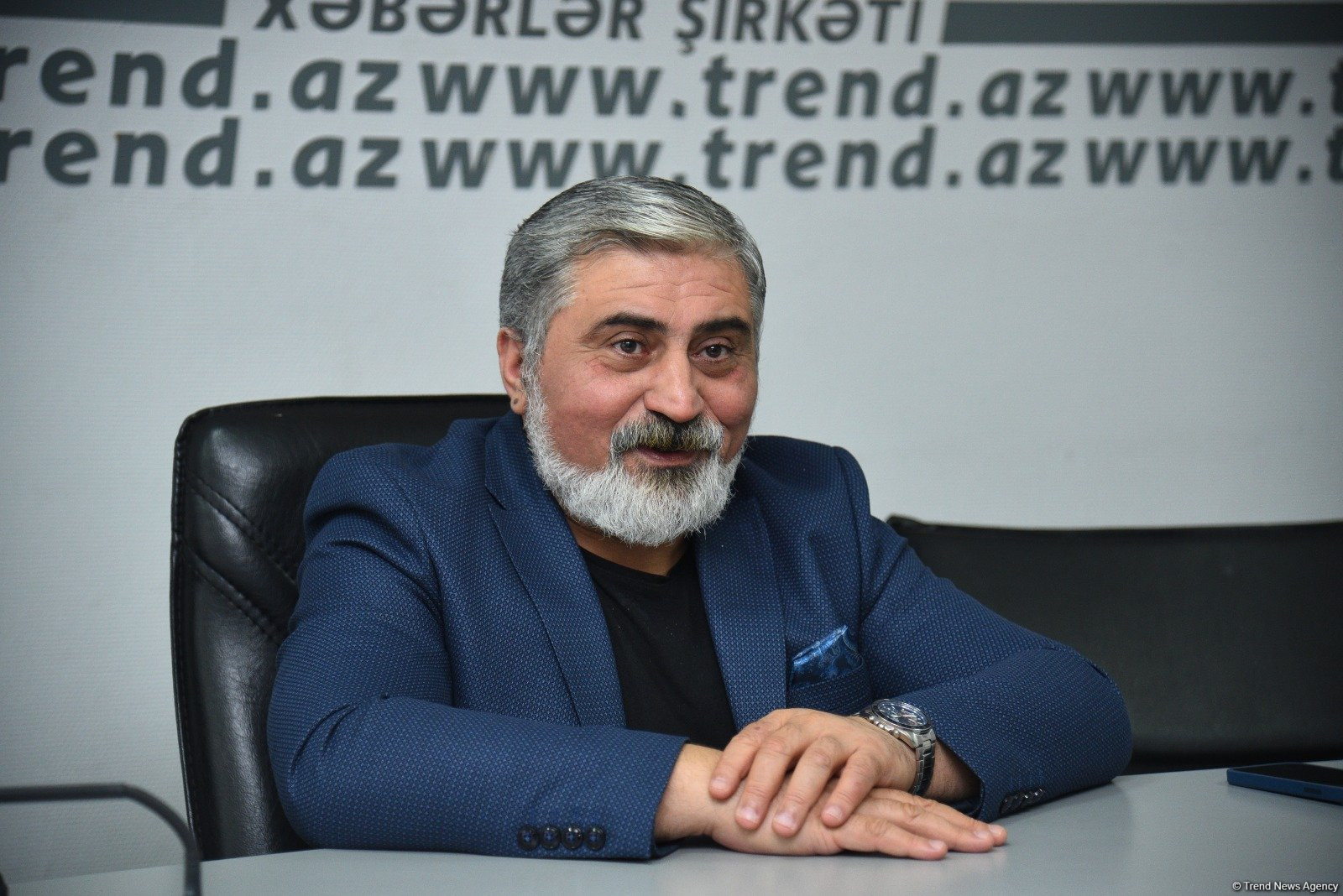
Elchin Agajanov, chairman of the Baku Network, echoed these concerns, pointing to a rise in weaponized disinformation targeting Azerbaijan. “We're dealing with orchestrated campaigns—carefully tested in other countries before being unleashed on us,” he warned. “These aren't random attacks. They come from coordinated centers with one goal: undermining the Azerbaijani people.”
According to Agajanov, misleading stories that distort Azerbaijan’s reality and attempt to fracture public trust are part of a calculated information war. “This is about Azerbaijan’s future, its security, and the unity between its people and its leadership.”
He credited the success of the initiative to the support of public agencies, particularly the State Support Agency for NGOs, arguing that robust civil society structures play a vital role in shielding the nation from ideological incursions. “Strong NGOs serve as a bridge between the government and the people—and the state is standing by them.”
Agajanov also offered a crash course in hybrid warfare, a term popularized in 2014 by Russian General Valery Gerasimov. “Hybrid war blends propaganda, psychological operations, disinformation, and public accusations into one coordinated offensive,” he explained. “It’s a chain reaction, designed to confuse, demoralize, and destabilize.”
Ideological threats, he added, are especially insidious. “They’re not just about questioning a political stance—they aim to erode the very fabric of Azerbaijani identity: our family values, religious and linguistic heritage, and the citizen-government relationship.” One example, he noted, is the attempt to cast doubt on the legitimacy of Azerbaijan’s victory in the Patriotic War, painting it as manufactured or exaggerated.
Agajanov warned that many of these ideological pressures come under the guise of cultural outreach or democratic discourse, subtly packaged to appeal to younger generations or liberal-minded segments of society.
As the discussion wrapped up, participants emphasized the need to keep the momentum going. Events like this, they agreed, are just the beginning. The next phase will focus on educating local audiences—particularly media professionals—on how to spot and counteract hybrid and ideological threats.
“Journalists and editors aren’t just storytellers anymore,” one speaker noted. “They’re also front-line defenders in a very different kind of war. The more alert and united they are, the stronger our collective resistance will be.”